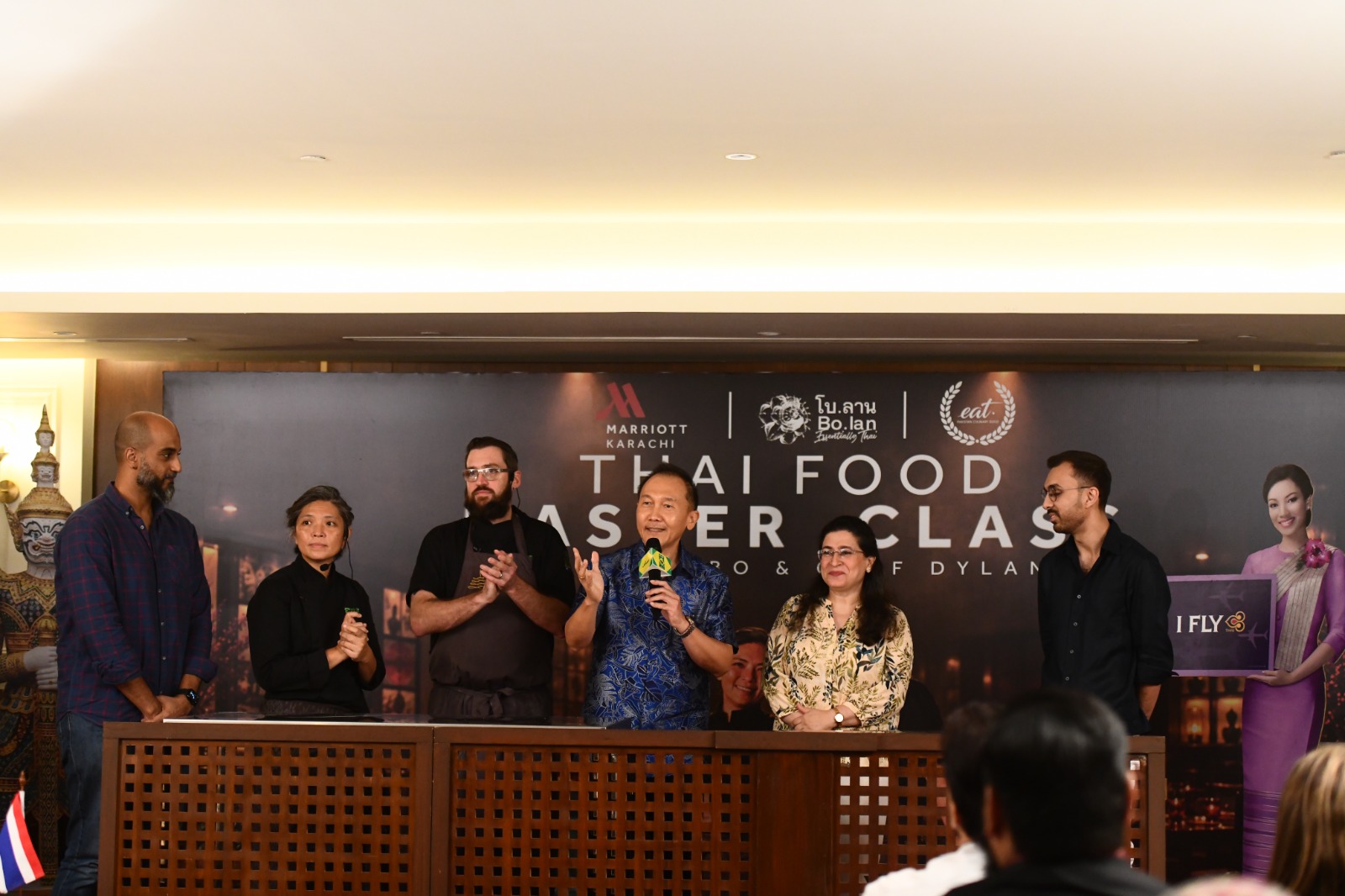
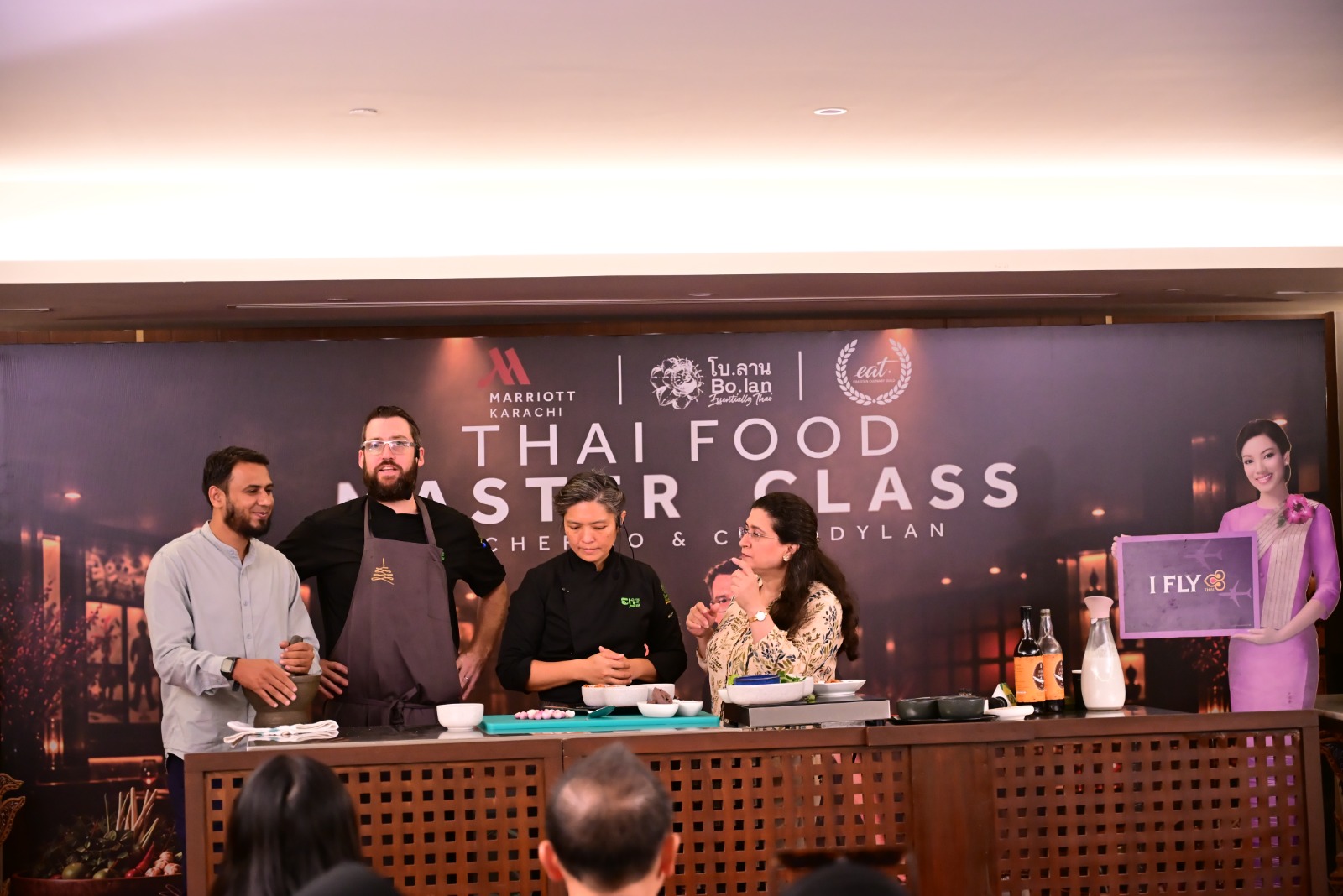
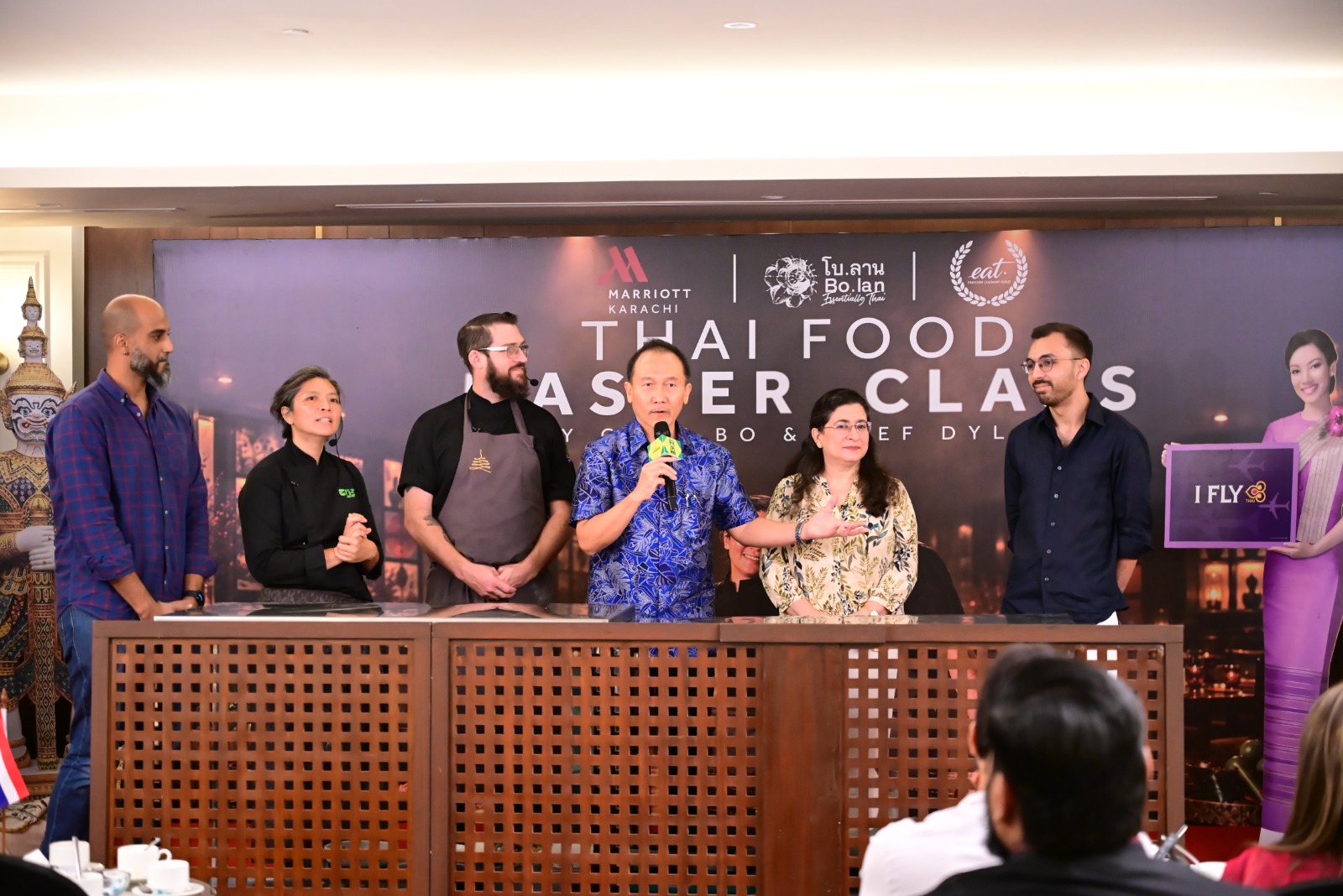
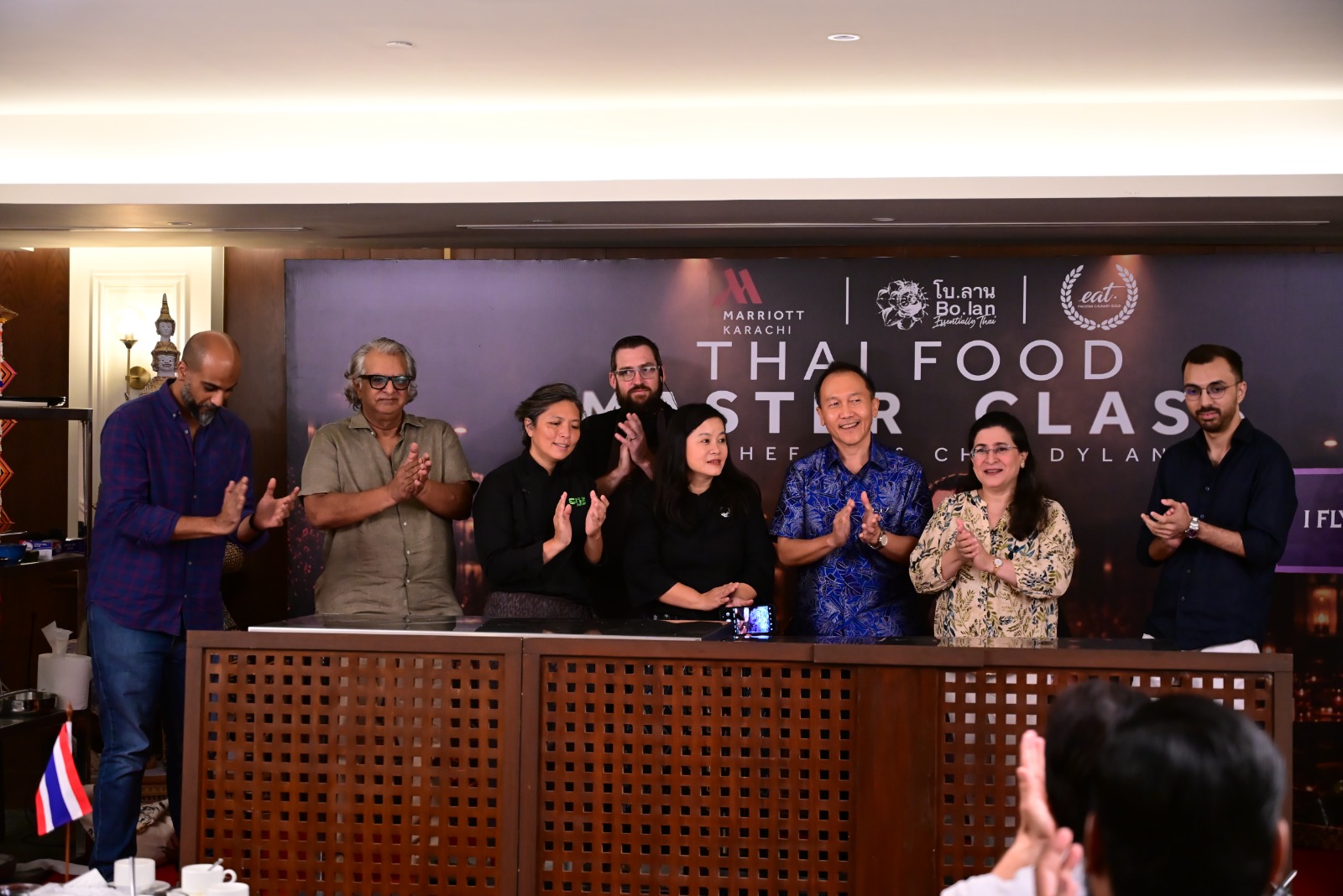
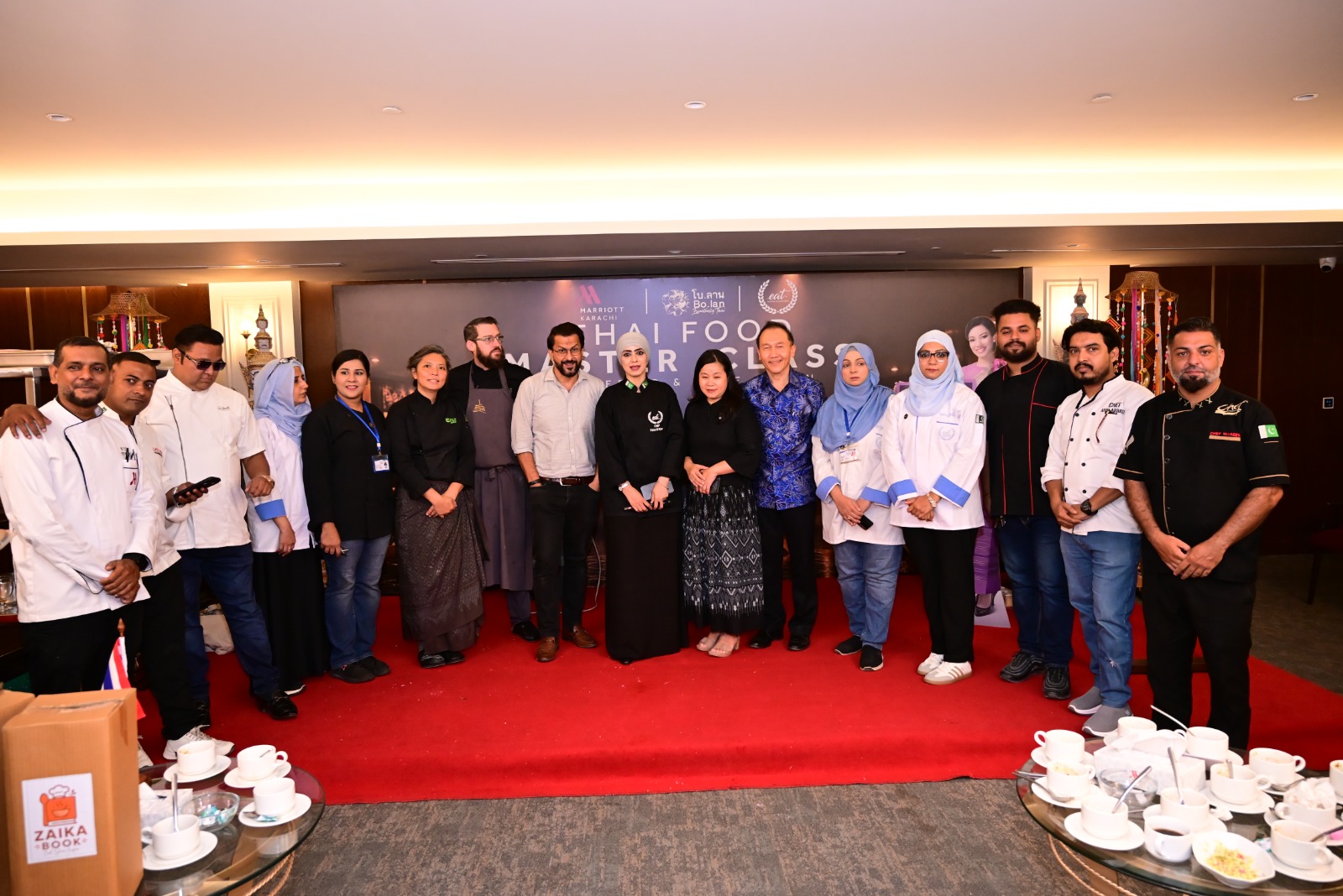
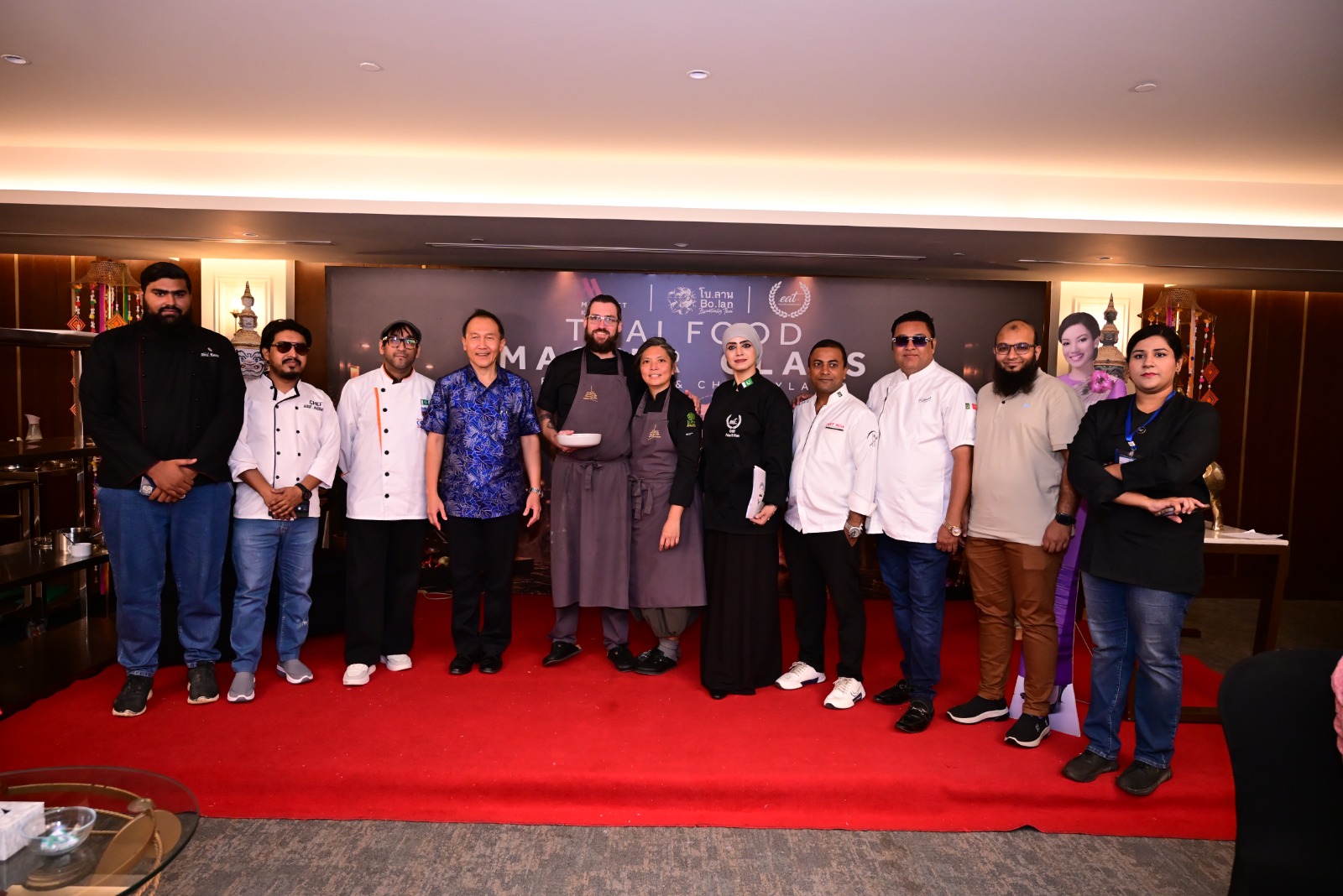
เมื่อวันที่ 19 กันยายน 2569 สถานกงสุลใหญ่ ณ เมืองการาจี ร่วมกับโรงแรมแมริออท และสถาบันสอนการทำอาหาร (Eat Grill) ได้จัดกิจกรรมสอนการทำอาหารเพื่อยกระดับและเผยแพร่วัฒนธรรมอาหารไทย
วันที่นำเข้าข้อมูล 24 ก.ย. 2569
วันที่ปรับปรุงข้อมูล 24 ก.ย. 2569
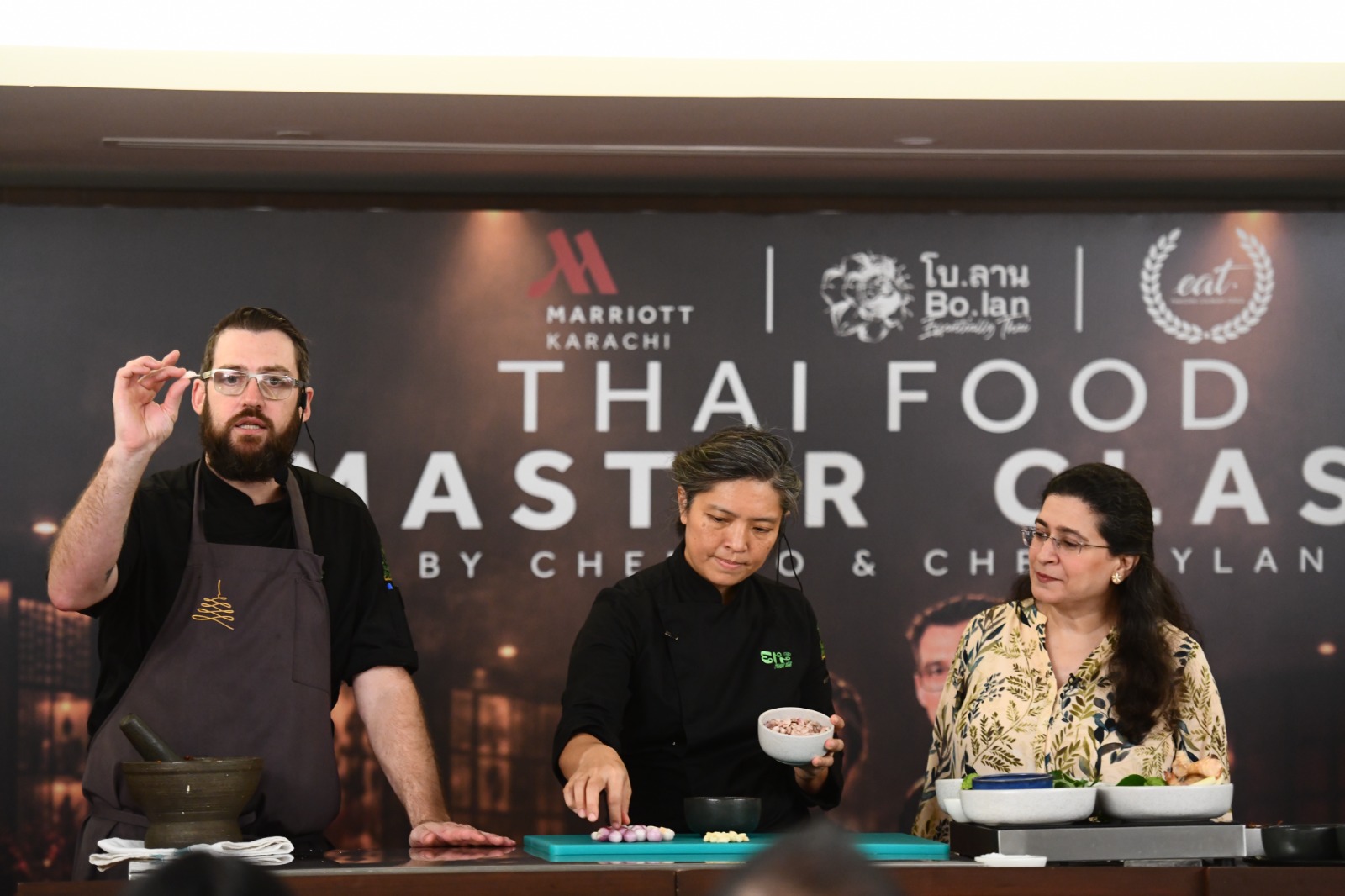
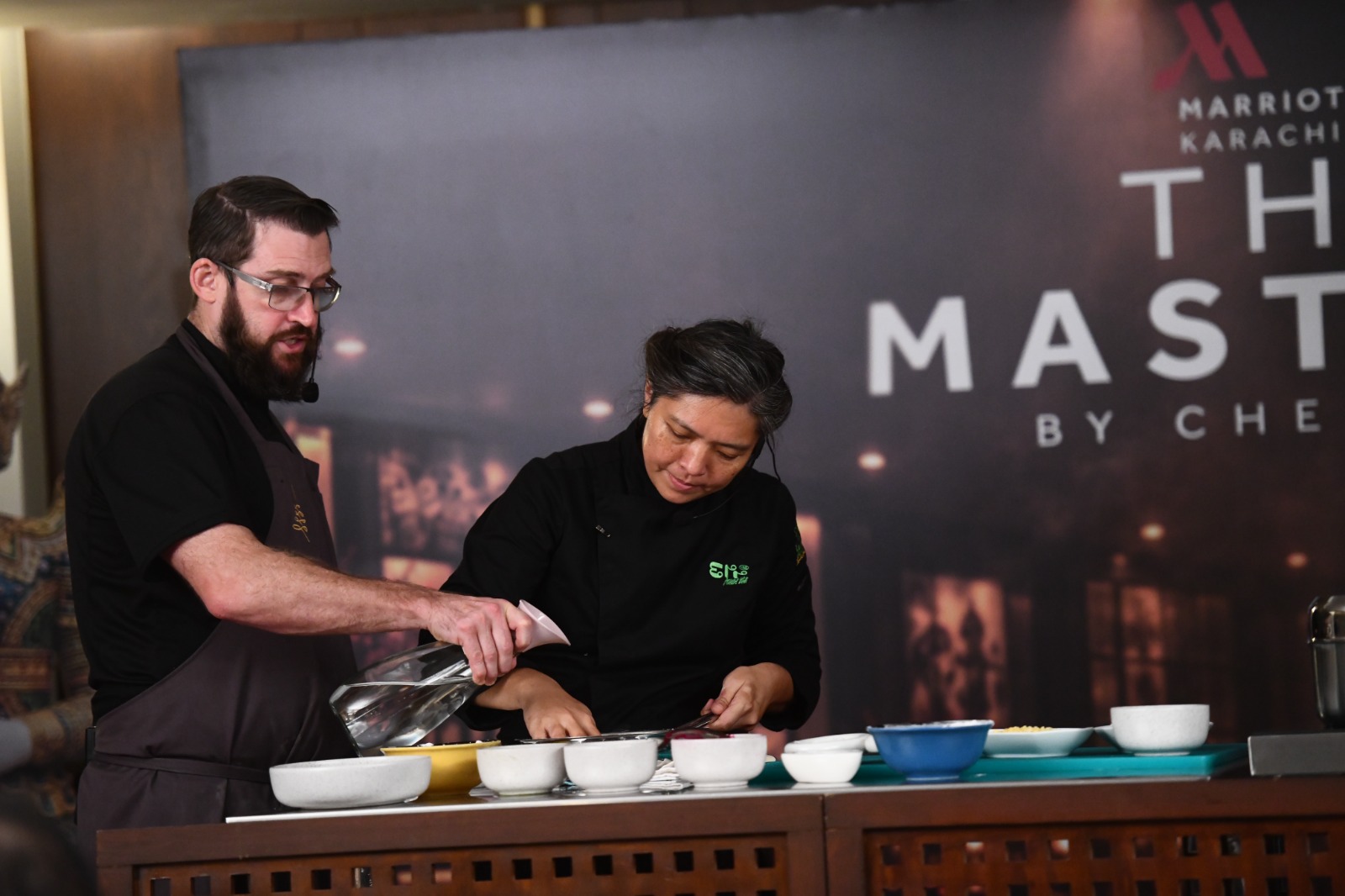
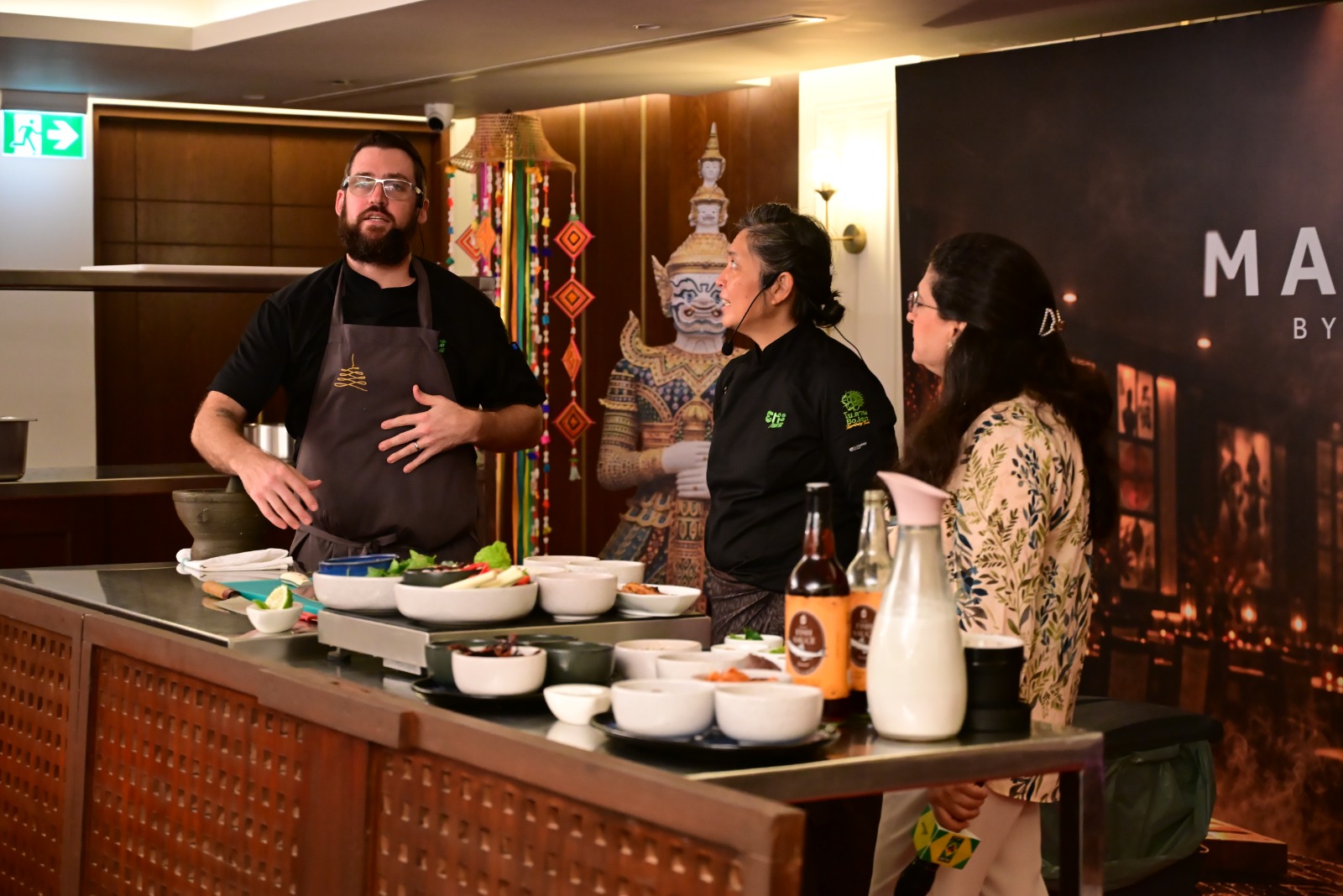
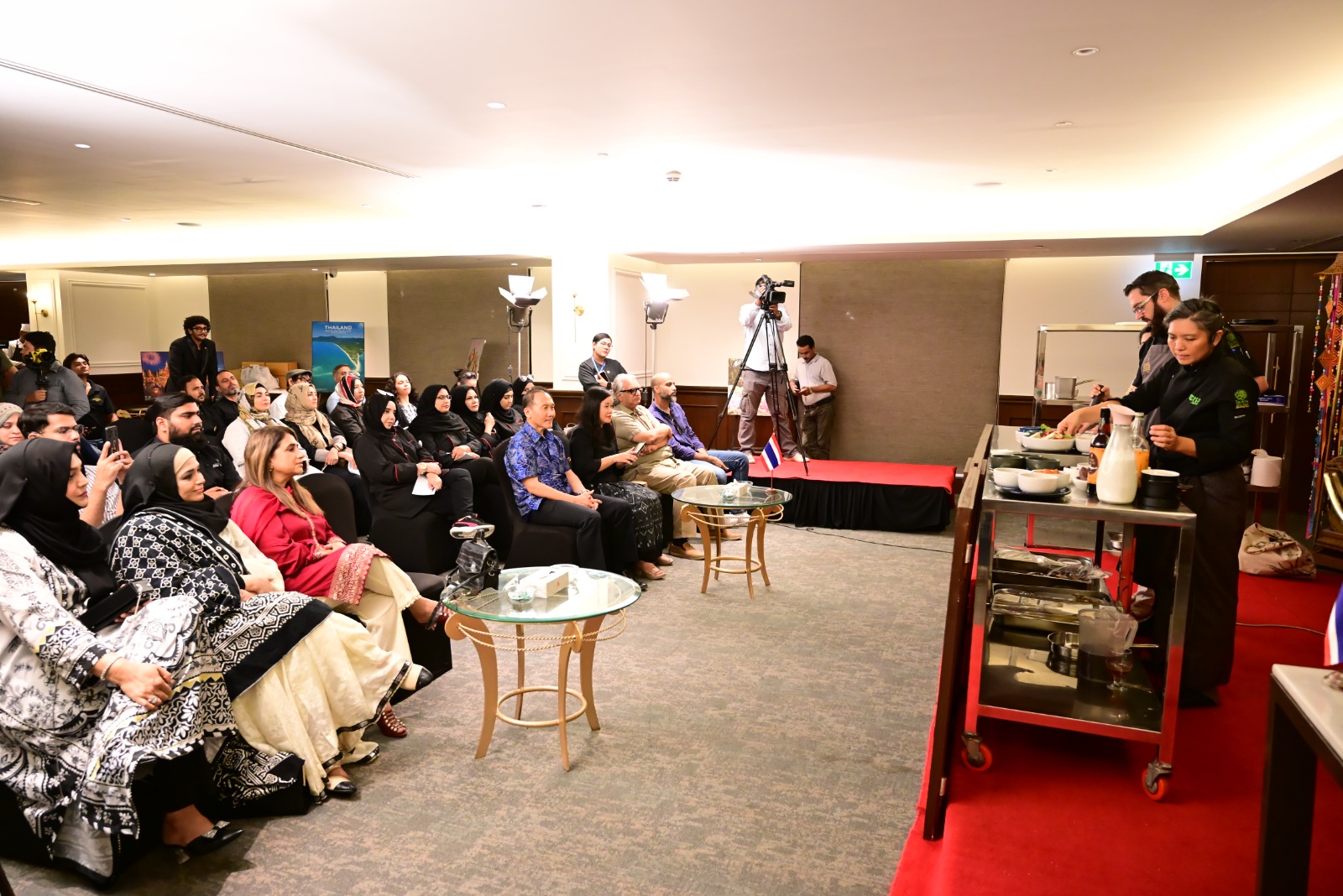
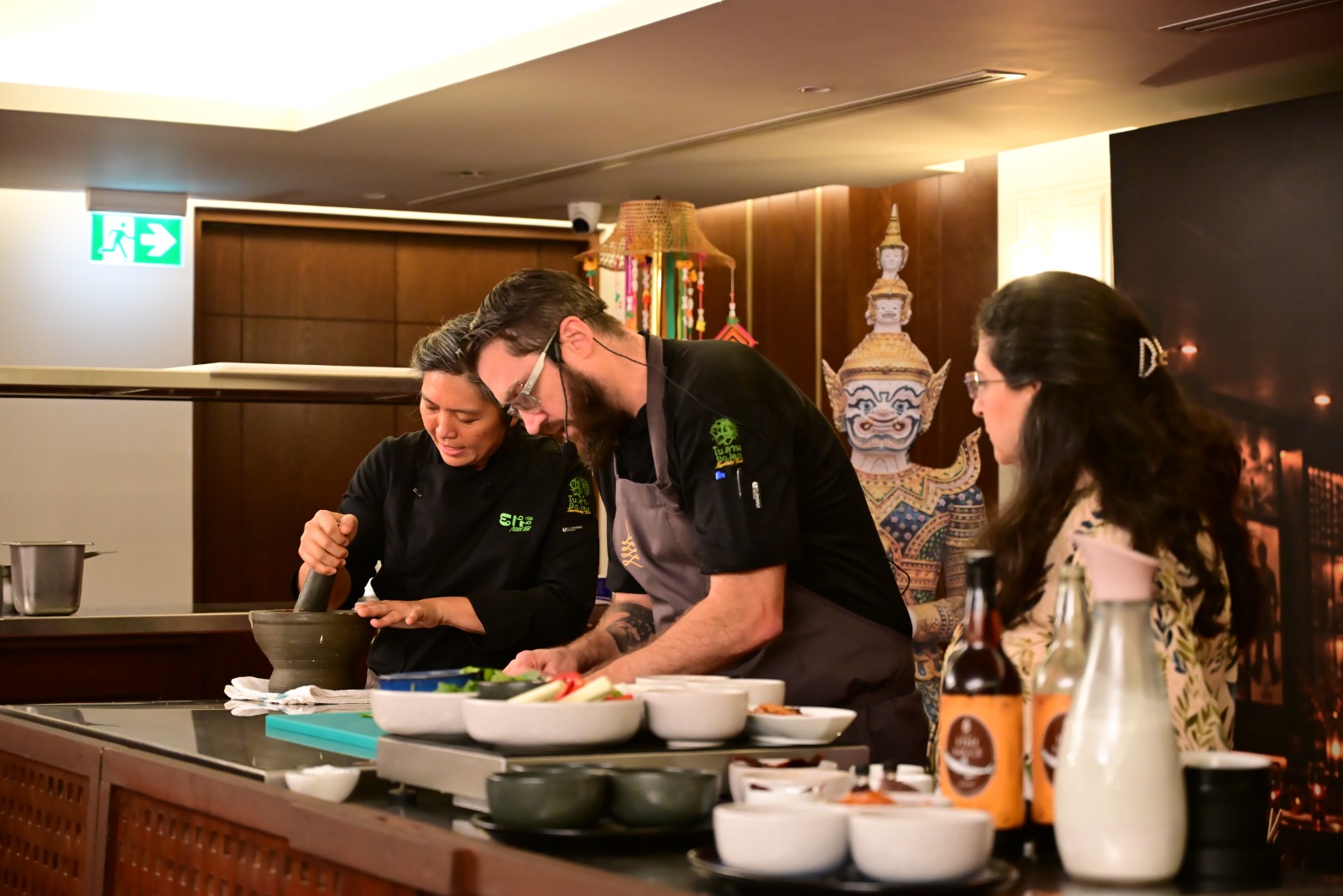
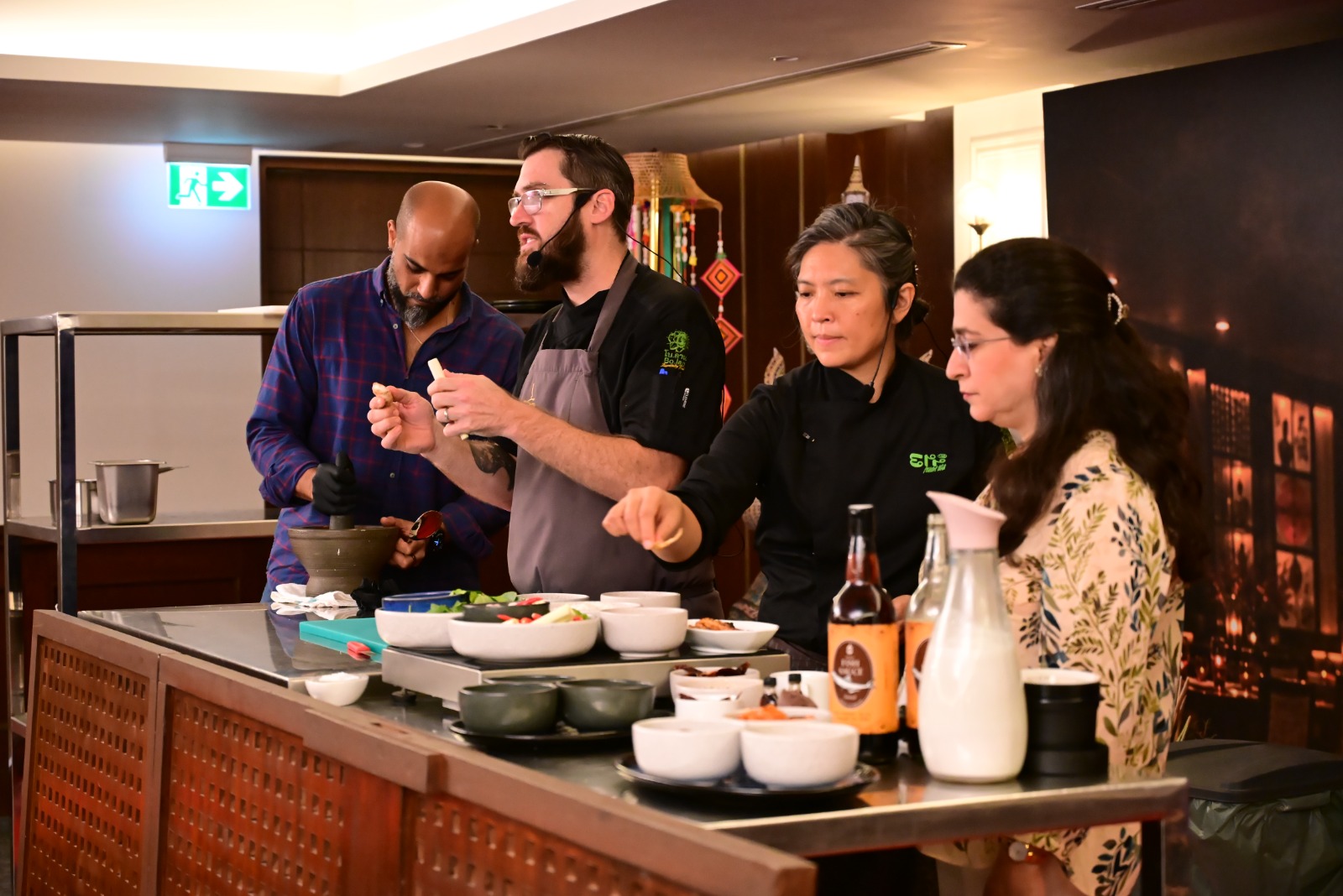
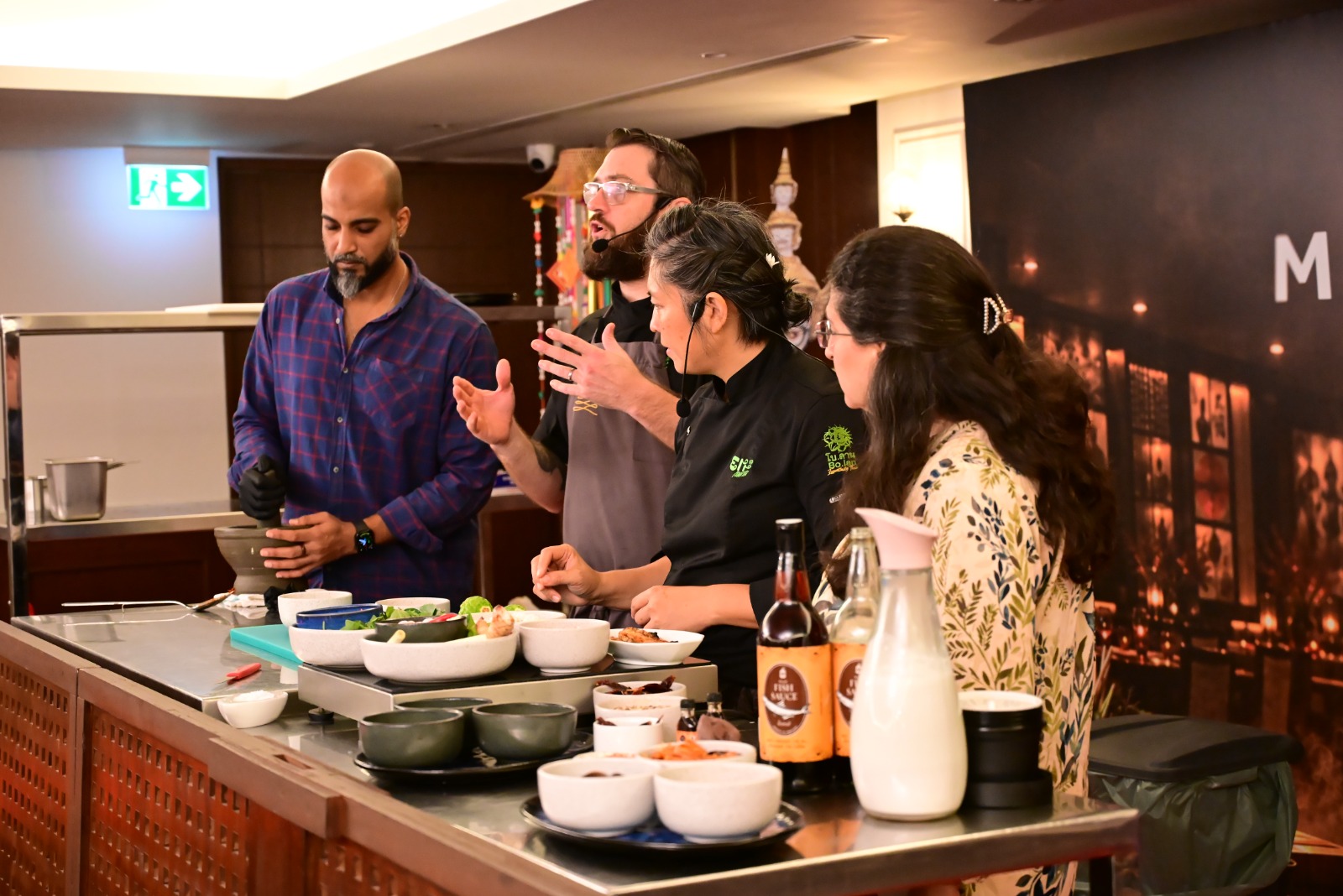
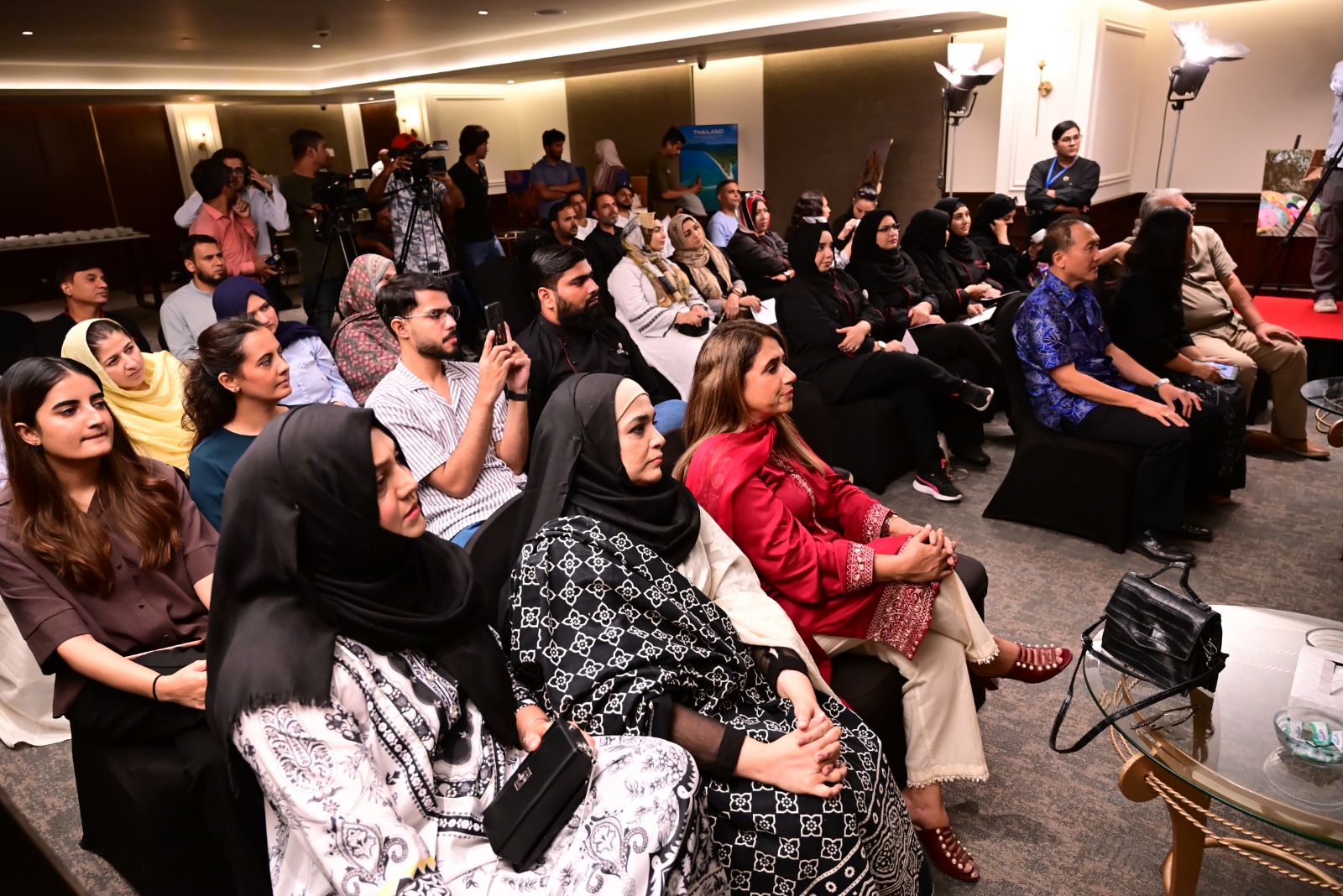
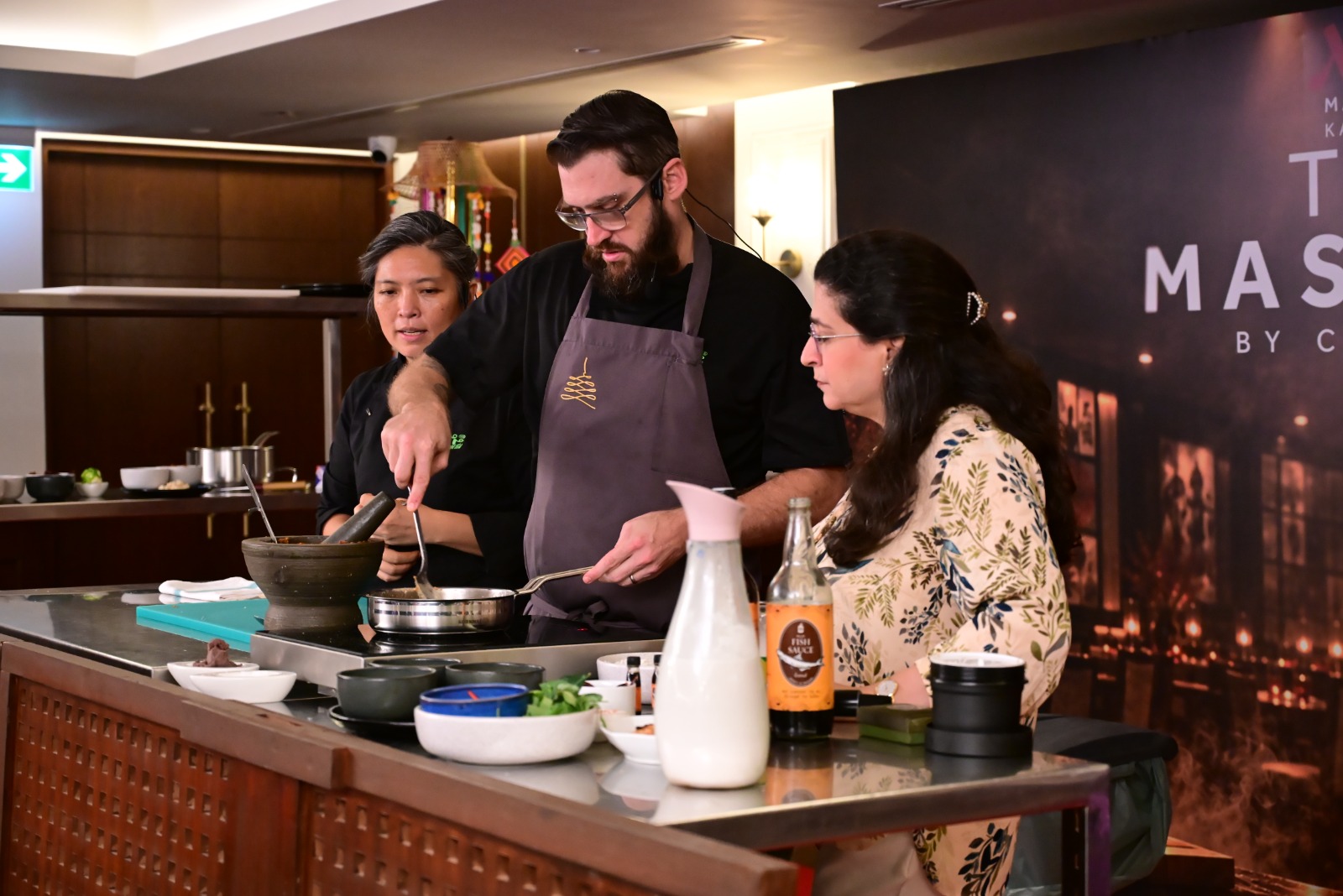
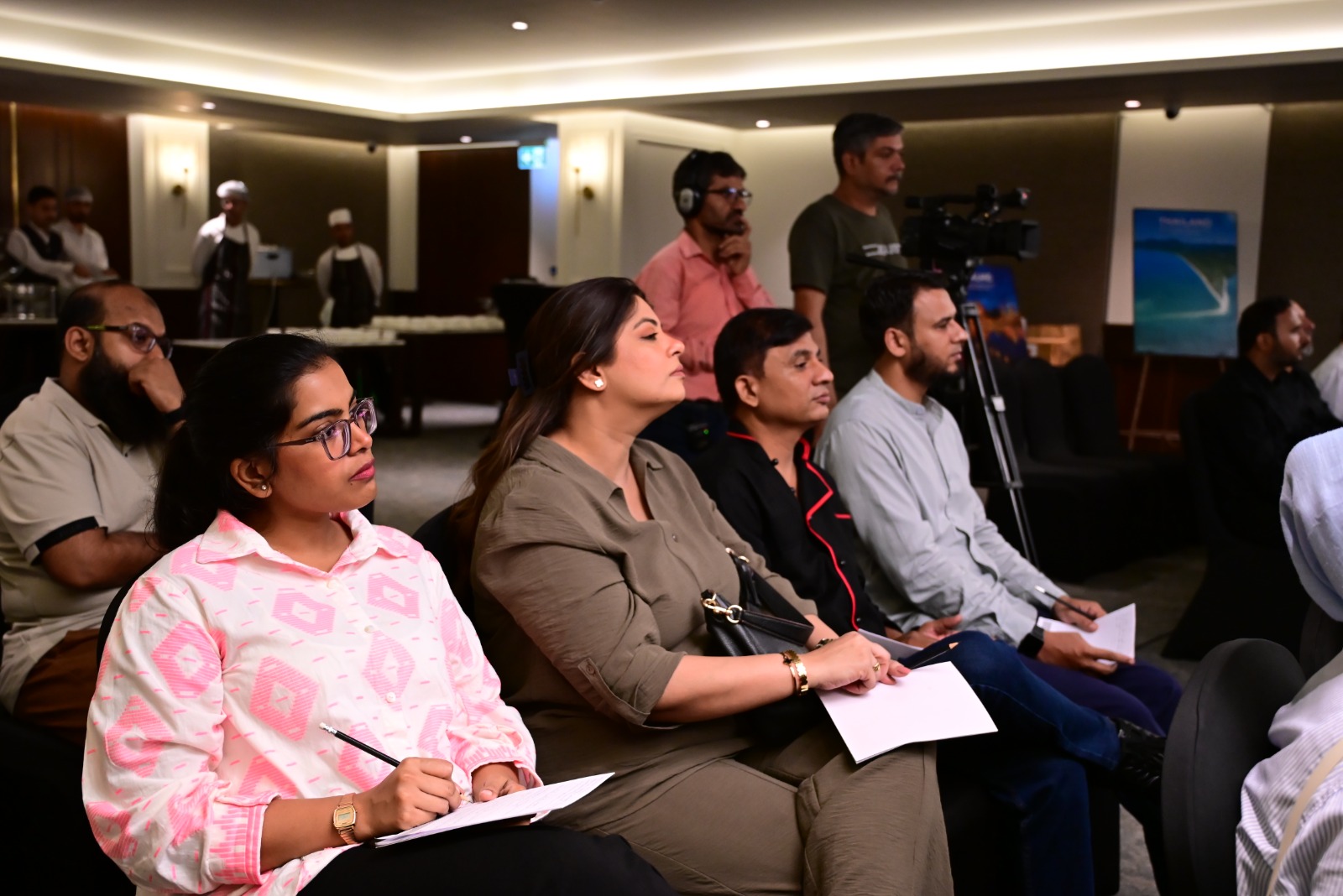
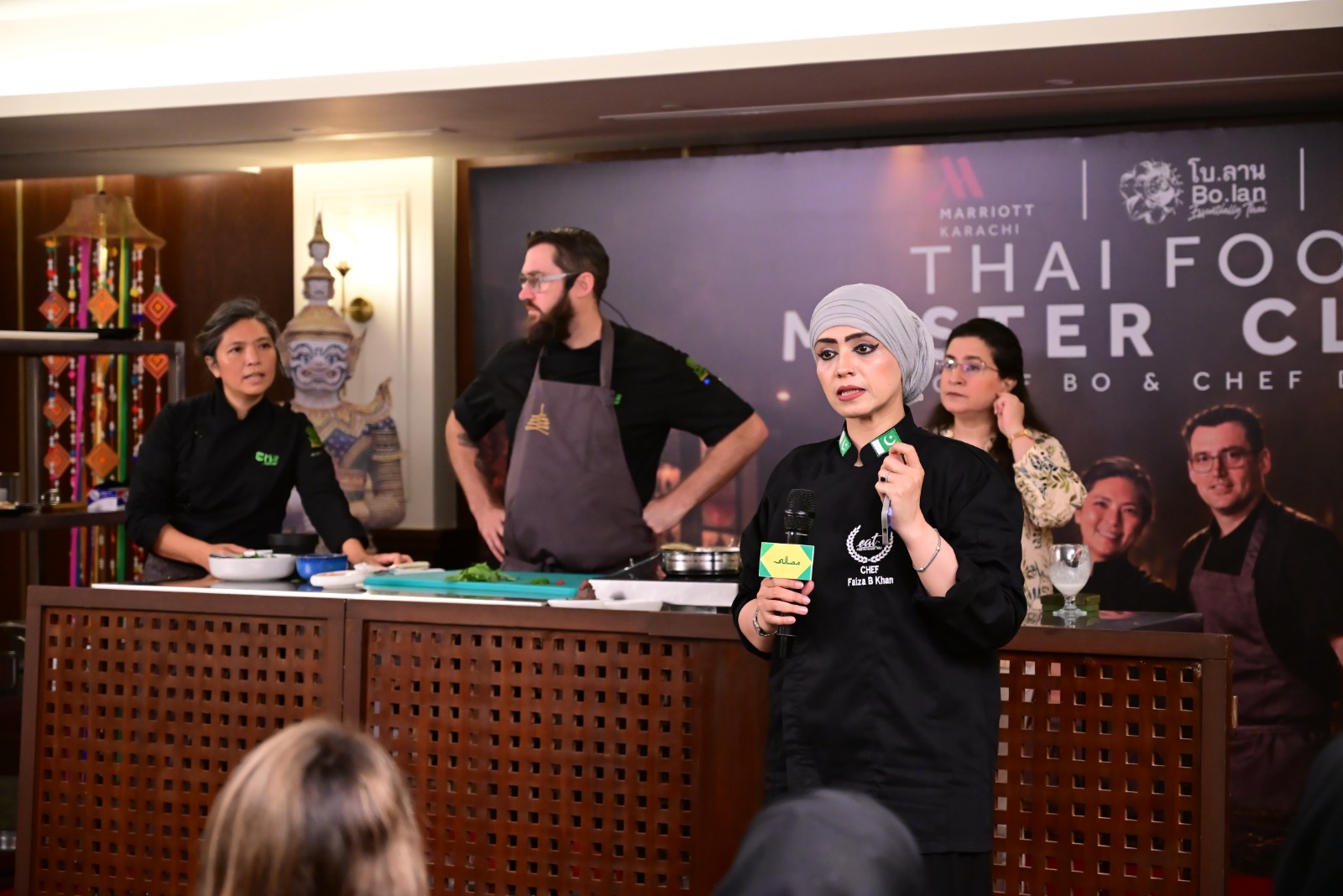
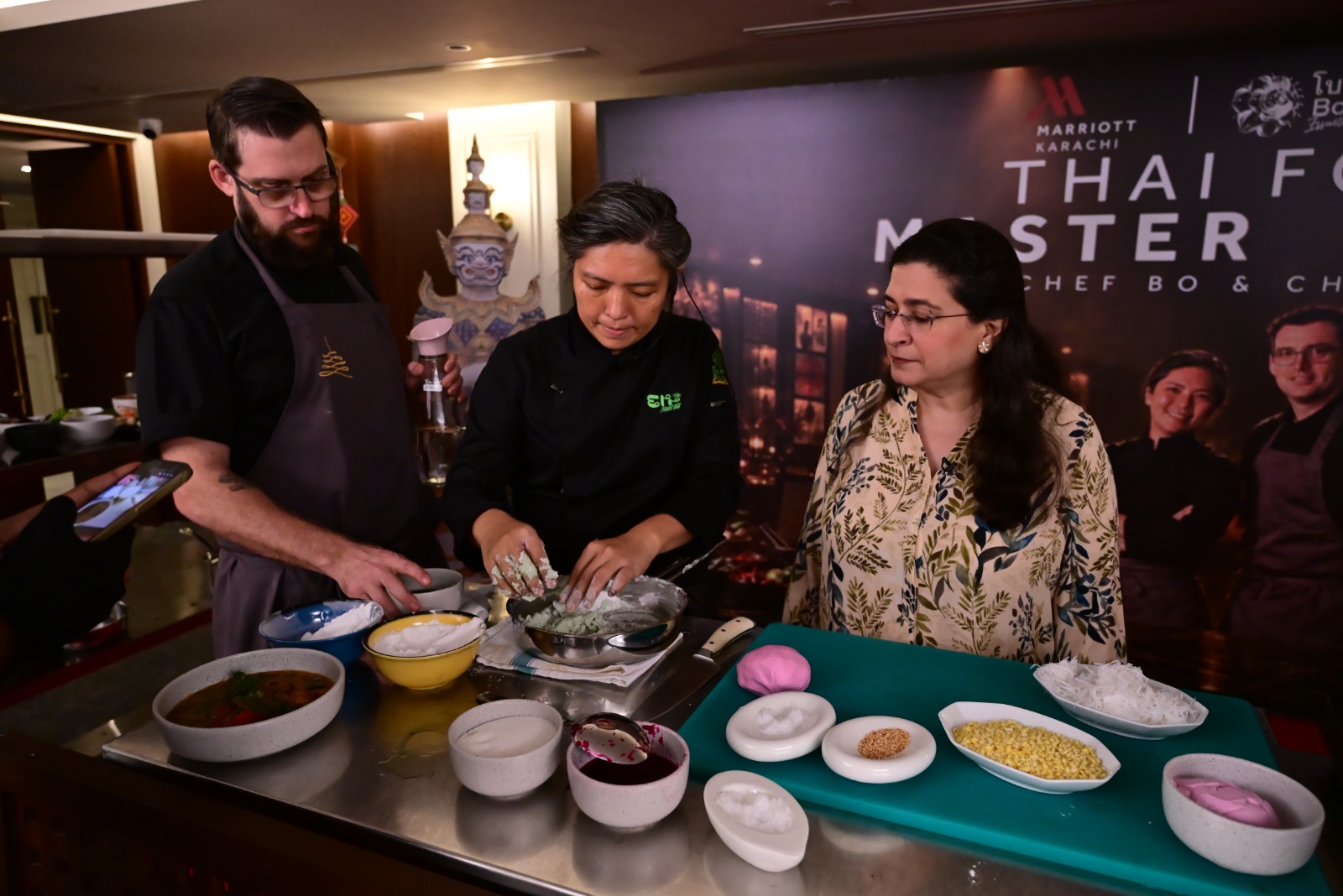
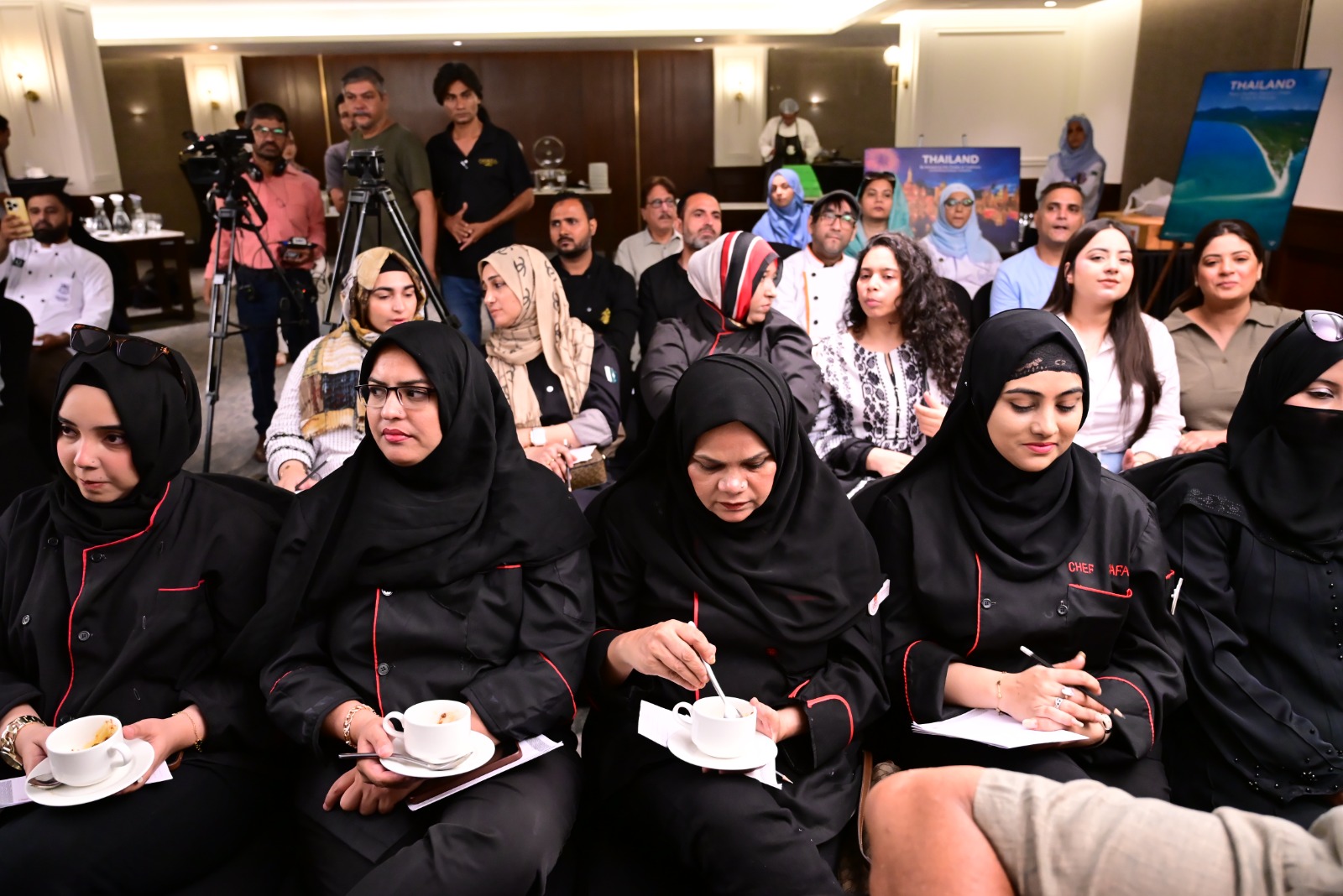
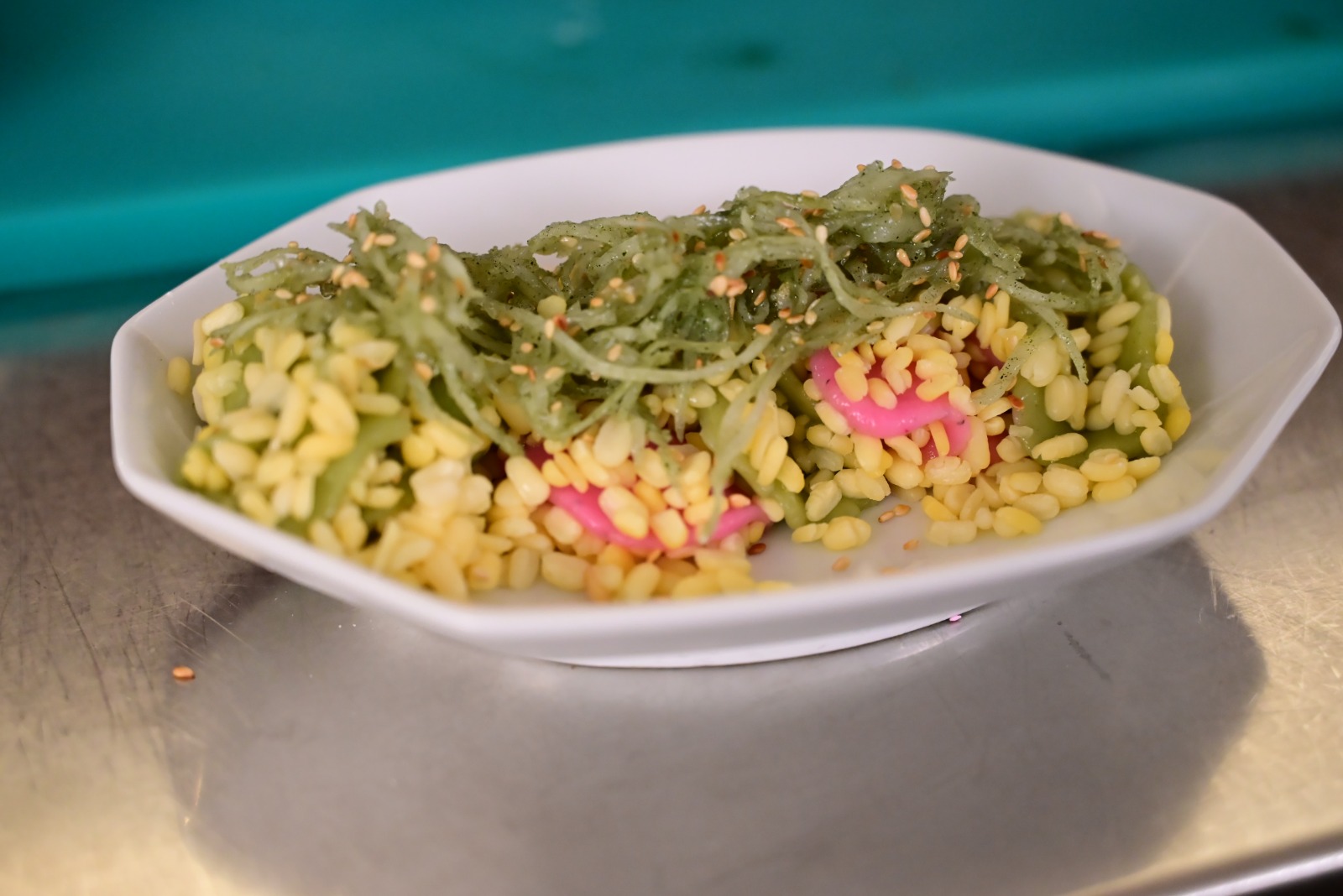
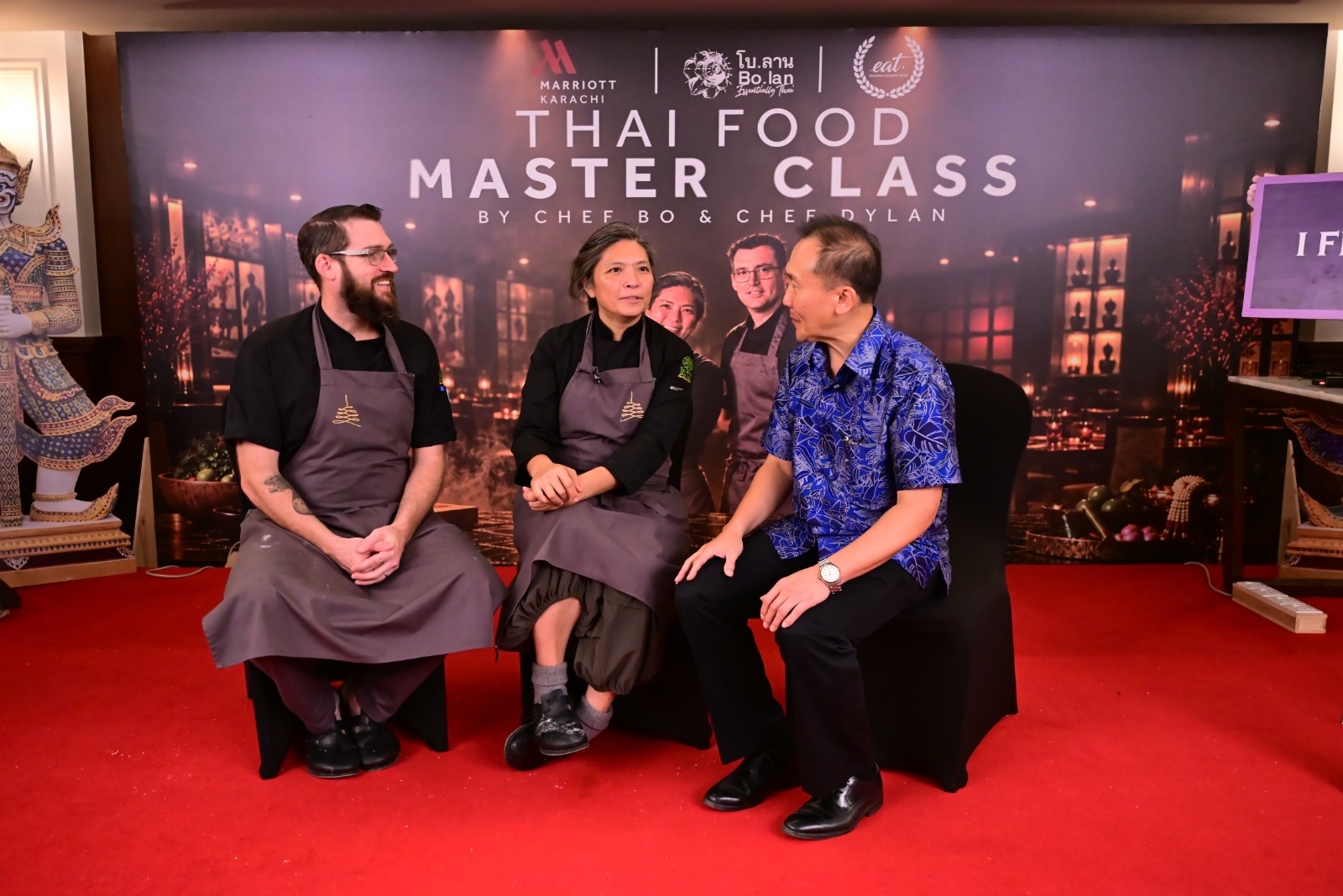
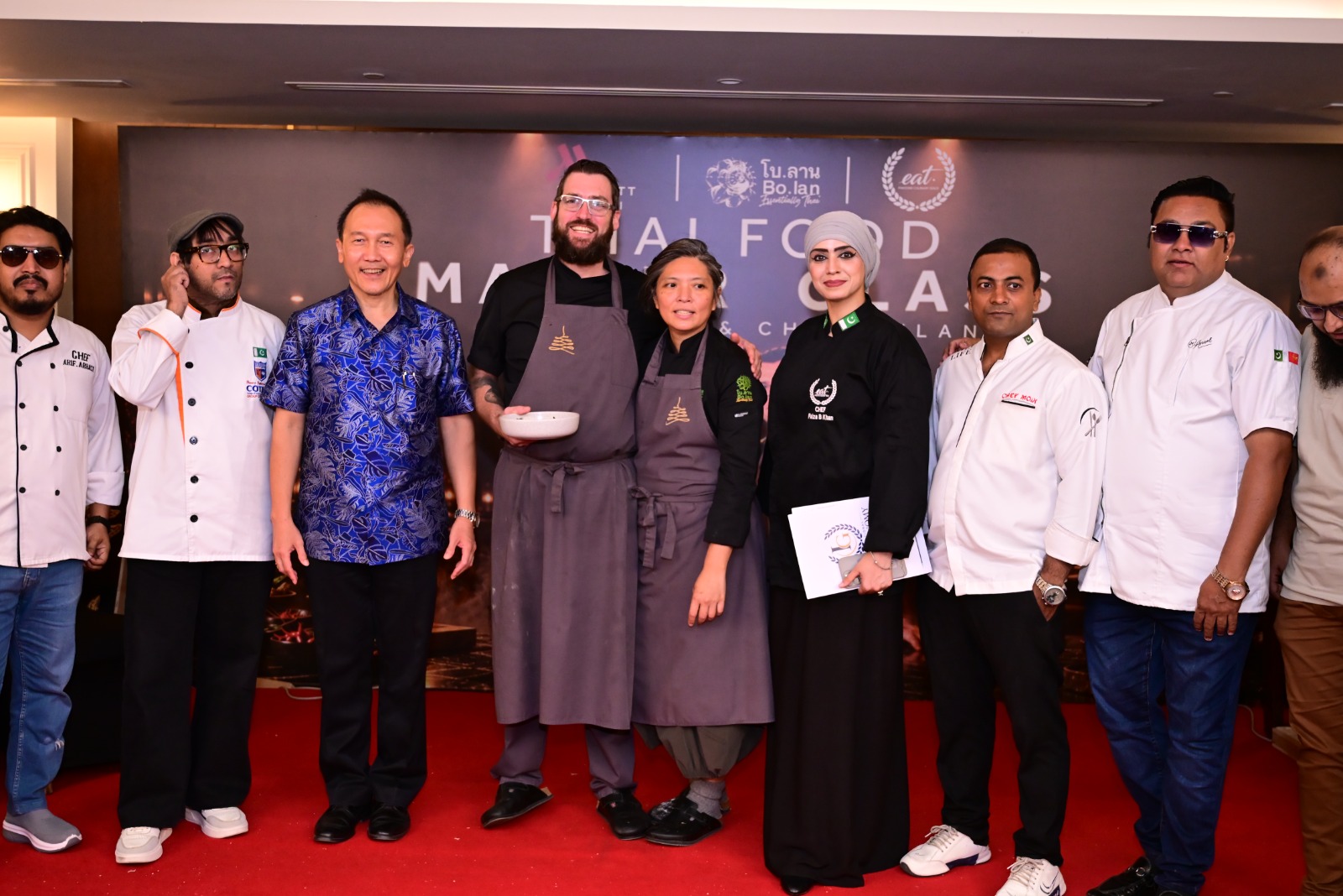
เมื่อวันที่ 19 กันยายน 2569 สถานกงสุลใหญ่ ณ เมืองการาจี ร่วมกับโรงแรมแมริออท และสถาบันสอนการทำอาหาร (Eat Grill) ได้จัดกิจกรรมสอนการทำอาหารเพื่อยกระดับและเผยแพร่วัฒนธรรมอาหารไทย โดยเชิญ เชฟโบ (ดวงพร ทรงวิศวะ) และ เชฟดีแลน โจนส์ มิชลินสตาร์เชฟชื่อดังจากร้านโบลาน มาเป็นวิทยากรบรรยายและสาธิตการทำอาหารไทยแท้ดั้งเดิมให้แก่กลุ่มเป้าหมายสำคัญ ได้แก่ เชฟจากโรงแรมและร้านอาหารไทยที่มีชื่อเสียงในเมืองการาจี และนักเรียนจากโรงเรียนสอนทำอาหารชั้นนำ โดยมีวัตถุประสงค์เพื่อถ่ายทอดศาสตร์แห่งอาหารไทยสูตรต้นตำรับ ตั้งแต่การเลือกสรรวัตถุดิบ ภูมิปัญญาพื้นฐาน ไปจนถึงรสชาติที่เป็นเอกลักษณ์ โดยมีการสอนพื้นฐานการทำเครื่องแกงสด (พริกแกงแดง แกงเขียวหวาน และแกงมัสมั่น) อย่างละเอียด ตั้งแต่การดัดแปลงและต่อยอดจากพริกแกงแดง (พริกแกงพื้นฐาน) ไปสู่แกงยอดนิยมชนิดอื่นๆ โดยเน้นย้ำถึงการใช้พริกต่างชนิดกันเพื่อสร้างสีสันและรสชาติที่แตกต่าง สอนขั้นการเตรียมสมุนไพร สอนวิธีการทำขนมถั่วแปปสีธรรมชาติซึ่งเป็นขนมโบราณของไทย โดยผู้เข้าอบรมได้มีโอกาสได้ดมกลิ่นเครื่องแกงสดๆ สัมผัสกับตัวแป้งถั่วแปป และวัตถุดิบต่างๆที่เป็นส่วนประกอบน้ำพริกแกง
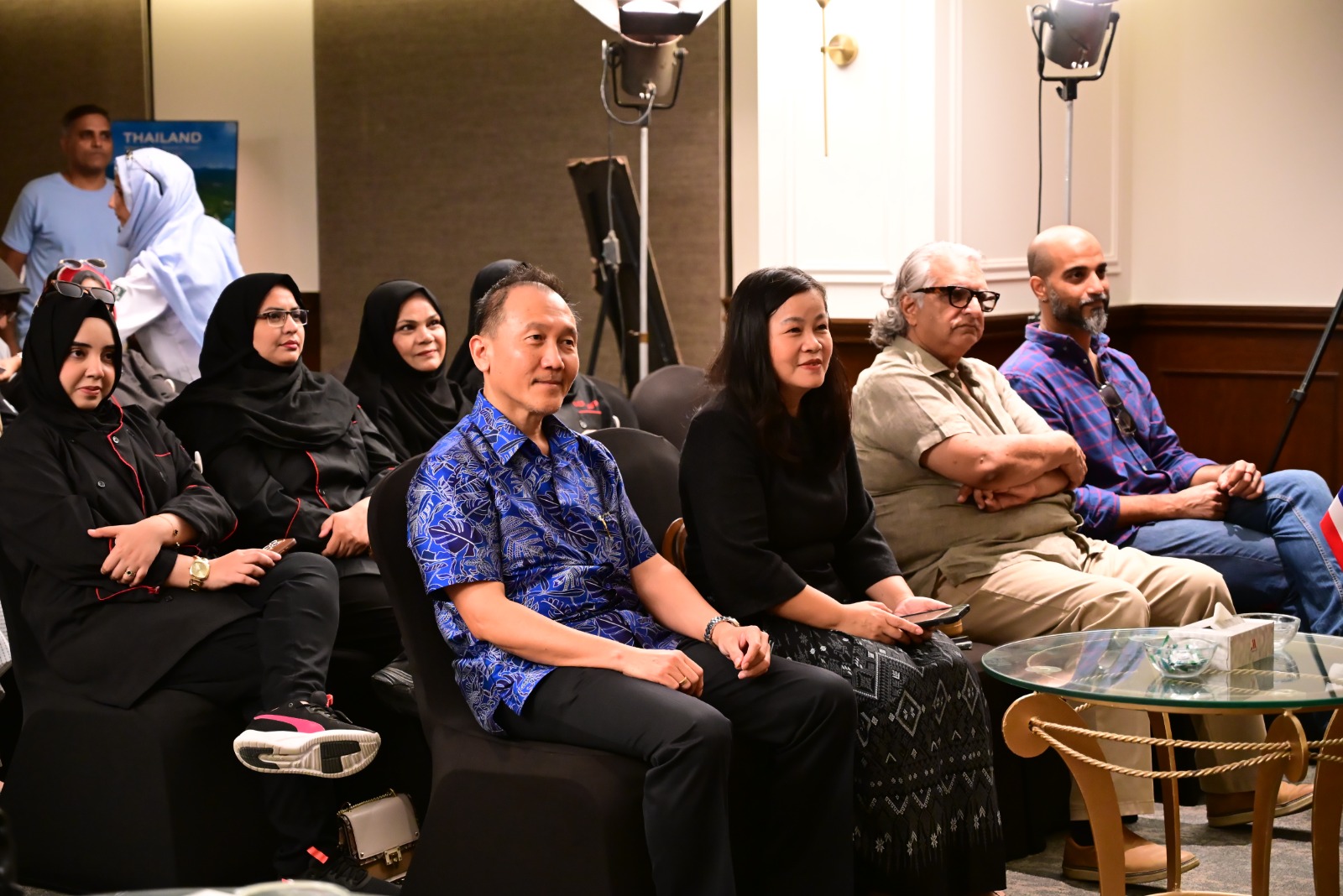
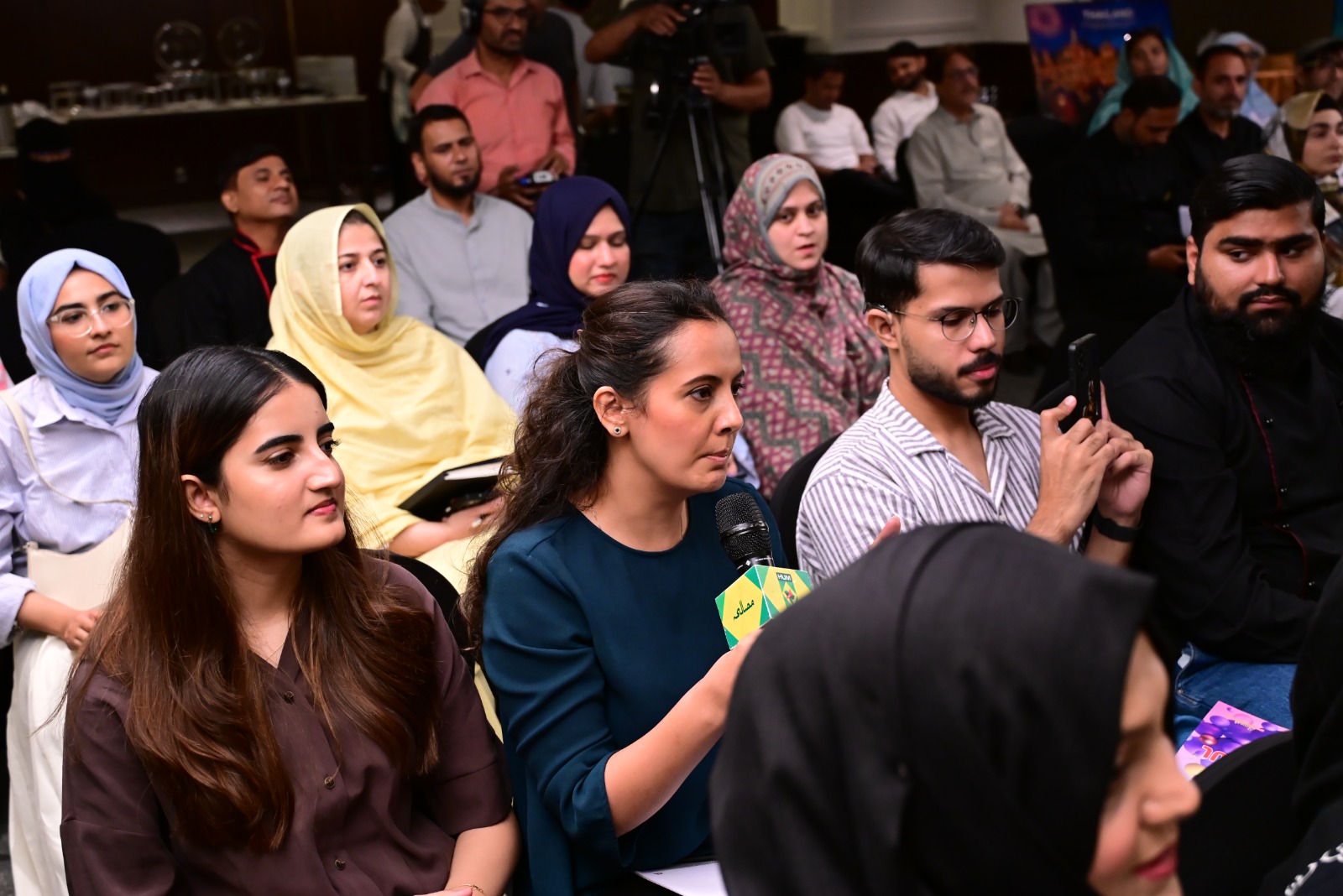
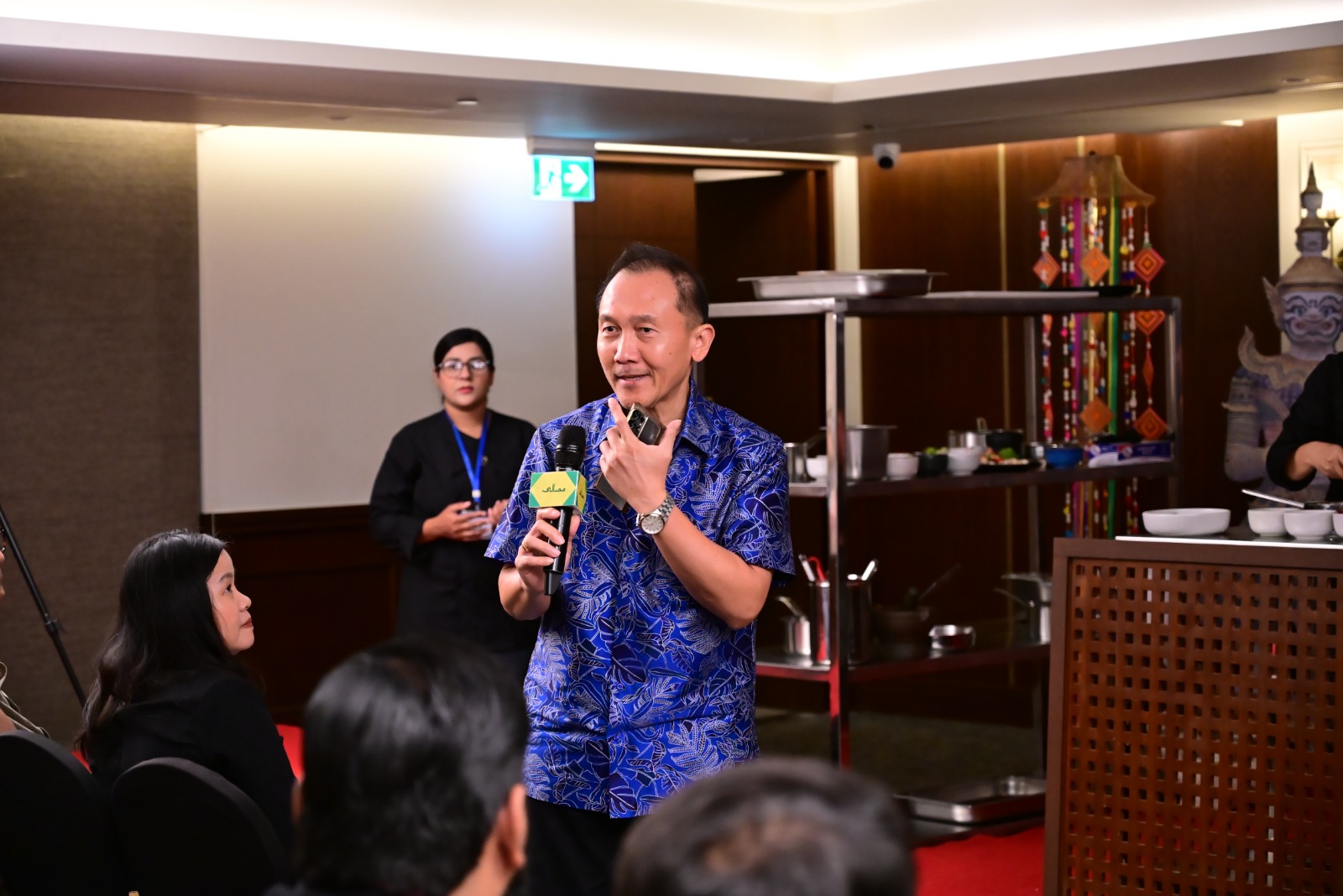
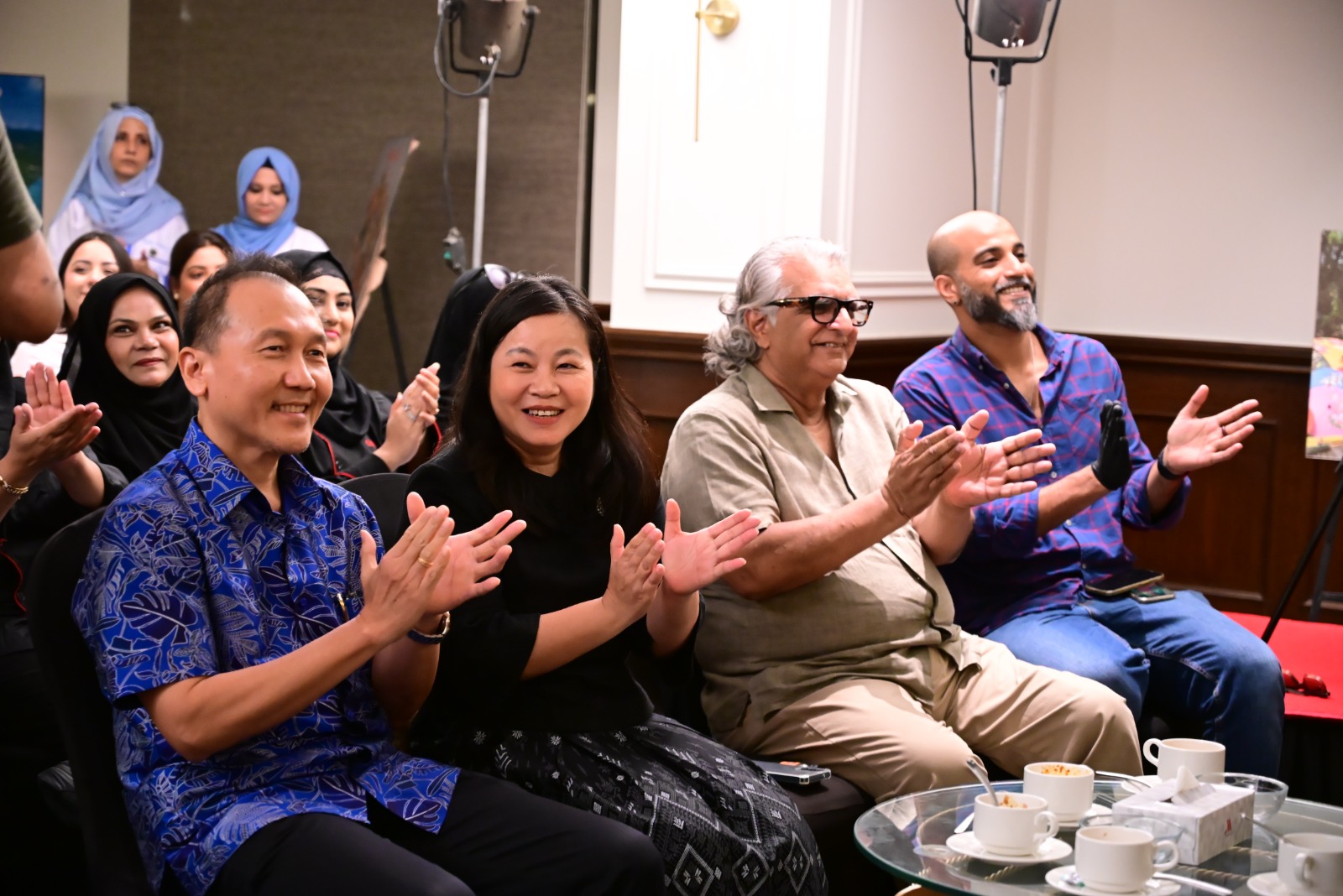
บรรยากาศตลอดการอบรมเต็มไปด้วยความอบอุ่นและเป็นกันเอง ไฮไลท์สำคัญ คือช่วงที่เชฟทั้งสองคนได้เปิดโอกาสให้มีการซักถามปัญหาและอุปสรรคในการทำอาหารไทย เช่น การทดแทนวัตถุดิบไทยในต่างประเทศ ซึ่งเชฟทั้งสองได้ให้คำแนะนำและทางออกในการแก้ปัญหาวัตถุดิบขาดแคลนในท้องถิ่นไว้อย่างน่าสนใจ เช่น
ปัญหาการขาดแคลนน้ำปลาคุณภาพ ผู้เข้าอบรมสะท้อนว่าน้ำปลาที่มีวางจำหน่ายในตลาดปัจจุบันมีรสชาติเค็มโด่งและไม่กลมกล่อม เชฟโบได้แนะนำให้นำน้ำปลาที่มีอยู่ในท้องถิ่นไปต้มเคี่ยวกับแกนสับปะรด หรืออ้อยทุบ (บุบ) เพื่อให้ความหวานละมุนจากธรรมชาติช่วยตัดรสเค็ม ทำให้ได้น้ำปลาที่มีความกลมกล่อมและกลิ่นหอมนวลใกล้เคียงกับน้ำปลาแท้จากไทย หรือปัญหากะทิสดหายาก สำหรับเมนูแกง เชฟแนะนำว่าในขั้นตอนการเคี่ยวพริกแกงและการผัดเนื้อสัตว์ สามารถใช้กะทิกล่องหรือกะทิกระป๋องแทนได้ เพื่อความสะดวก แต่ในขั้นตอนสุดท้ายก่อนจะยกลงจากเตา อาจจะพยายามหากะทิสดมาคั้นเพื่อหยอดหน้าหรือปรุงแต่งในขั้นตอนสุดท้าย เพื่อให้แกงมีกลิ่นหอมละมุนของกะทิสดแท้และมีความมันเงาสวยงามตามตำรับดั้งเดิม
ส่วนวัตถุดิบสมุนไพรอื่นๆ หากไม่มี มะกรูด สามารถใช้ผิวมะนาวเขียวร่วมกับตะไคร้เพื่อเพิ่มกลิ่นสดชื่นแทนได้ และหากหา ข่าสด ไม่ได้ สามารถใช้ข่าผงหรือข่าอบแห้งแช่น้ำแทนในอัตราส่วนที่เหมาะสมเพื่อไม่ให้เสียกลิ่นอายดั้งเดิม ใบเตยสดก็สามารถใช้ใบเตยผงซึ่งนำเข้าจากไทยได้
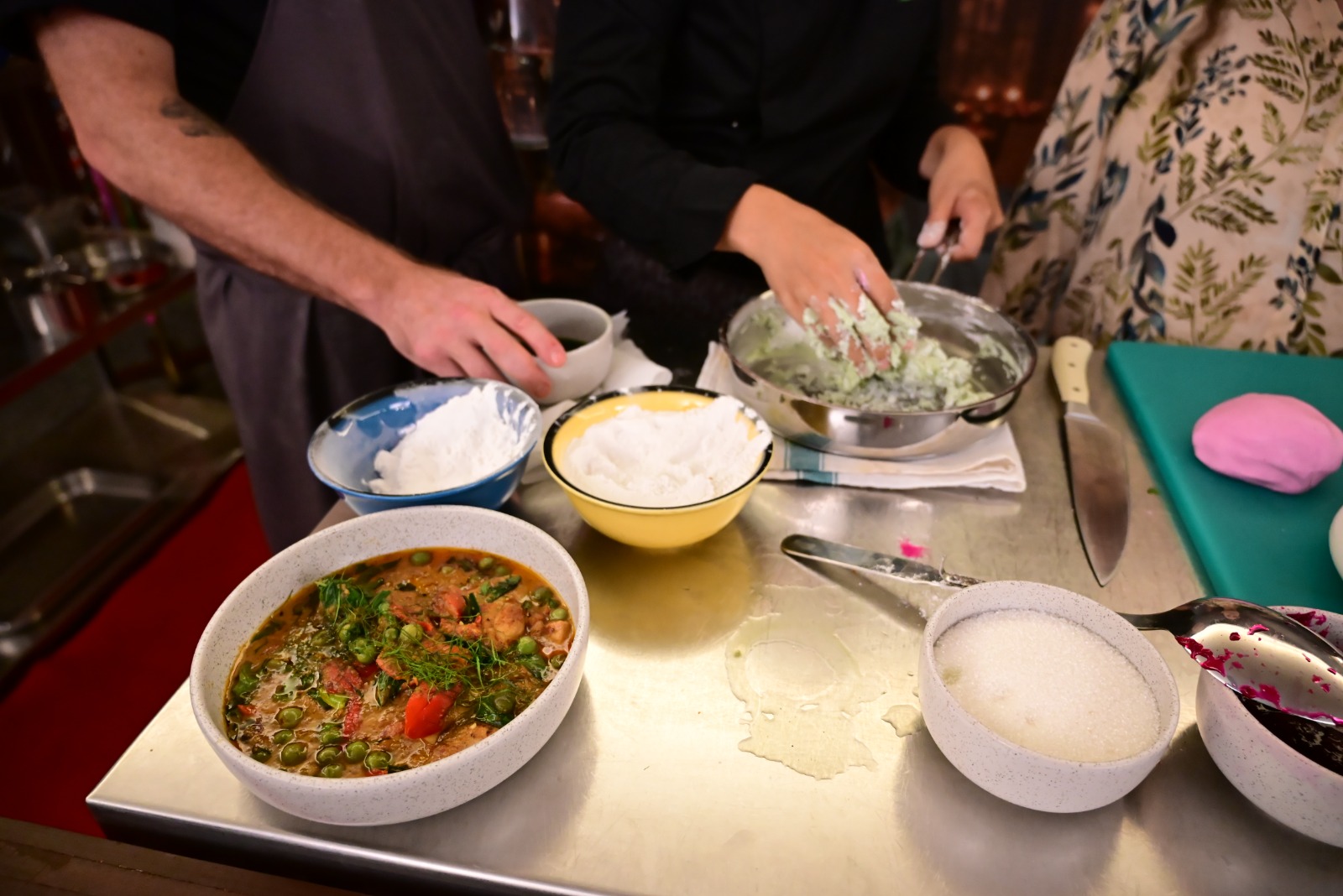
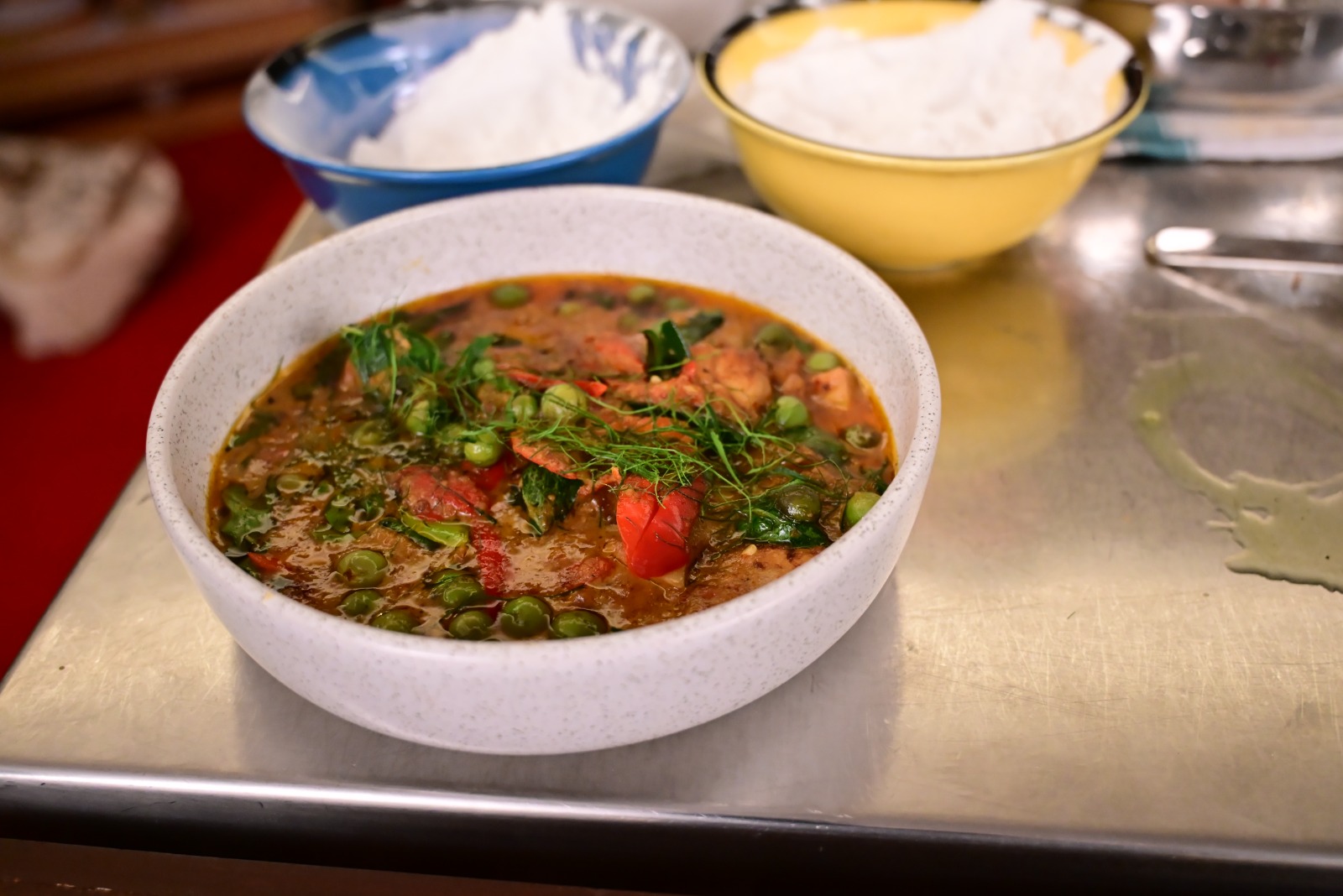
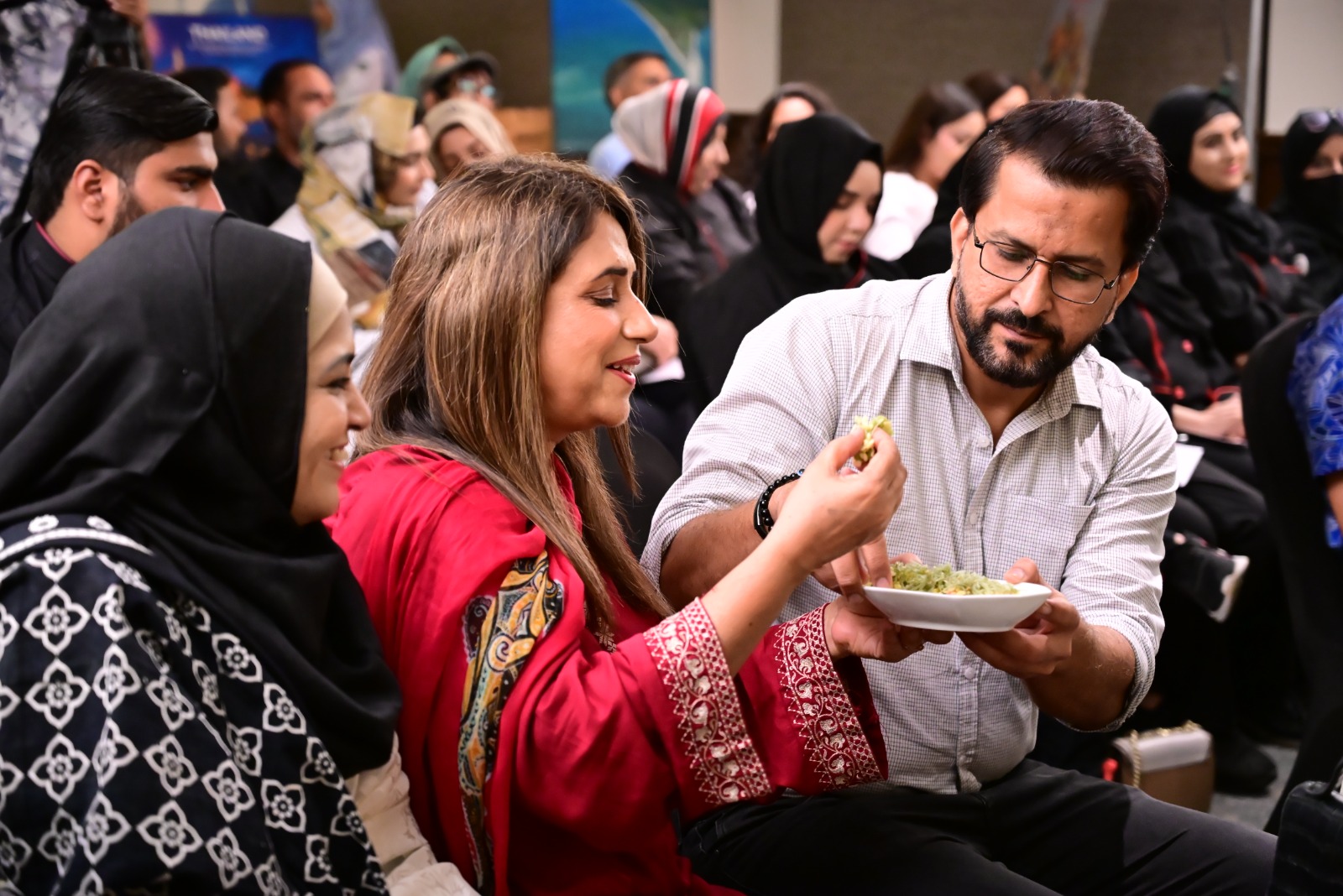
นอกจากนี้ เชฟยังได้จัดเตรียม ข้าวสวยร้อนๆ และแกงพะแนงไก่ ให้ผู้เข้ารับการอบรมทุกคนได้ร่วม "ชิมรสชาติที่แท้จริง" (Authentic Taste) เพื่อเป็นมาตรฐานและหมุดหมายในการนำไปปรับปรุงรสชาติอาหารในร้านของตนเอง ให้ถูกต้องตามอัตลักษณ์ความเป็นไทย
นอกจากนั้น เพื่อเป็นการประชาสัมพันธ์และการต่อยอดการส่งเสริมความนิยมอาหารไทยในปากีสถานไปสู่สาธารณชนให้มากขึ้น สถานกงสุลใหญ่ได้เชิญทีมงานจากสถานีโทรทัศน์ชื่อดังของปากีสถานอย่างช่อง Hum Masala มาร่วมบันทึกเทปบรรยากาศและขั้นตอนการทำอาหารอย่างละเอียด โดยมีกำหนดการออกอากาศอย่างเป็นทางการทั่วประเทศ ในวันที่ 24 กันยายน 2569 เวลา 10:00 น.
การบันทึกเทปและออกอากาศในครั้งนี้ ถือเป็นโอกาสครั้งสำคัญในการขยายผลองค์ความรู้ ช่วยให้ประชาชนทั่วไปและผู้ที่ไม่มีโอกาสเดินทางมาร่วมห้องเรียนในวันงาน สามารถศึกษาเทคนิคและเรียนรู้การทำอาหารไทยจากมิชลินเชฟได้อย่างทั่วถึงผ่านหน้าจอทีวีที่บ้าน ซึ่งนอกจากจะสร้างความรู้ความเข้าใจที่ถูกต้องแล้ว ยังคาดว่าจะสามารถเข้าถึงผู้ชมและสร้างกระแสความนิยมอาหารไทย (Thai Kitchen to the World) ให้เติบโตอย่างกว้างขวางทั่วทั้งประเทศ
ในตอนท้ายของกิจกรรม เพื่อเป็นการส่งเสริมความยั่งยืนและการเข้าถึงวัตถุดิบไทยในระยะยาว สถานกงสุลใหญ่ฯ ยังได้ประชาสัมพันธ์ให้เชฟผู้เข้าร่วมและผู้สนใจได้ทราบว่า สถานกงสุลใหญ่ฯ ได้ปลูกพืชผักสวนครัวไทย (เช่น ต้นกะเพรา ตะไคร้ และพริกขี้หนู) ไว้จำนวนหนึ่งที่บริเวณสวนหลังสถานกงสุลใหญ่ฯ เพื่อให้ข้าราชการและครอบครัว รวมทั้งชุมชนชาวไทยได้ใช้ประโยชน์ ดังนั้น หากมีผู้สนใจอยากได้วัตถุดิบพืชผักสวนครัว หรือเมล็ดพันธ์ที่จะนำไปขยายพันธ์ต่อ สามารถติดต่อขอรับได้จากสถานกงสุลใหญ่ฯ ในวันและเวลาราชการต่อไป
The Royal Thai Consulate-General in Karachi officially organized a Thai Food Masterclass to promote and elevate Thai gastronomic culture. Renowned Michelin-starred chefs from Thailand, Chef Bo (Duangporn Songvisava) and Chef Dylan Jones, were invited as guest speakers and demonstrators. The workshop targeted key stakeholders, including chefs from prominent local Thai restaurants and culinary students from top-tier institutions.
The primary objective of this event was to transmit the science of authentic Thai cuisine, ranging from ingredient selection and foundational culinary wisdom to replicating true signature flavor profiles. The key details of the session are outlined below:
1. Foundational Fresh Curry Paste Masterclass (Red, Green, and Massaman Curries)
The chefs provided a comprehensive foundation on how to modify and transition from a standard Red Curry Paste base into other world-renowned Thai curries, emphasizing the strategic use of different chili types to create distinct colors and flavor profiles:
Red Curry: Utilizes "Dried Chilies" (de-seeded and soaked dry spur chilies) to achieve a vibrant, deep red color and a warm, lingering heat.
Massaman Curry: Built upon the red curry base but elevated by incorporating toasted "Warm Dry Spices" such as coriander seeds, cumin, cardamom pods, cinnamon, and cloves, adding a complex, aromatic depth.
Green Curry: Shifts to "Fresh Chilies" (fresh green bird's eye chilies and green spur chilies) pounded together with bird's eye chili leaves to impart a bright, naturally green hue and a sharp, refreshing pungency.
Key Techniques and Steps (Emphasizing the Stone Mortar and Pestle):
Aromatic Preparation: All fresh herbs (galangal, lemongrass, kaffir lime zest, coriander roots, shallots, garlic) must be finely sliced before pounding.
Pounding Order: Begin with dry and hard ingredients (salt, dried chilies, or toasted spices), followed by dense herbs (kaffir lime zest, galangal, lemongrass, coriander roots), and conclude with soft, moisture-rich aromatics (shallots, garlic, and shrimp paste).
Michelin Chefs’ Secret: Chef Bo and Chef Dylan strictly advised against using electric blenders or food processors. Pounding with a stone mortar crushes the plant cells, fully releasing the essential oils. This traditional method yields a far superior aroma, a complex depth of flavor, and a rich texture that binds perfectly with coconut milk, preventing the paste from separating.
2. Traditional Thai Dessert: Thua Pap (Mung Bean Rice Crepes) with Natural Colors
In addition to savory dishes, the chefs demonstrated how to make "Thua Pap," focusing on extracting 100% natural, plant-based colors for the dough, completely avoiding artificial food coloring:
Green: Squeezed from fragrant Pandan leaves.
Blue/Purple: Extracted from Butterfly Pea flowers (with a drop of lime juice to turn it purple).
Yellow: Squeezed from steamed pumpkin or dried turmeric.
The session was highly interactive, allowing participants to practice coating the soft, chewy rice dough with steamed mung beans and freshly grated coconut. The vibrant natural colors significantly enhanced the visual appeal of the dessert, leaving a lasting impression.
3. Interactive Learning, Q&A, and Solutions for Local Ingredient Scarcity
The workshop maintained a warm, highly collaborative, and engaging atmosphere. A pivotal highlight of the event was the Q&A session regarding "Thai Ingredient Substitutes Abroad," where the chefs provided invaluable practical solutions to counter local ingredient limitations:
The Fish Sauce Shortage: Participants noted that locally available fish sauce lacks complexity, tasting overly salty and flat. The chefs recommended "simmering local fish sauce with pineapple cores or bruised sugarcane." The natural fruit sugars cut through the harsh saltiness, yielding a well-rounded, mellow umami profile close to authentic Thai fish sauce.
Fresh Coconut Milk Scarcity: For curries, the chefs advised that canned or boxed coconut milk can be used during the initial stages (cracking the cream and simmering meat) for convenience. However, they requested that participants source fresh coconut milk to finish the dish in the final steps. Hinging the finale on fresh coconut milk guarantees a glossy, aromatic finish true to traditional standards.
Other Herbs: Kaffir lime zest can be replaced with regular lime zest combined with a touch of lemongrass, while dried or powdered galangal soaked in water can substitute for fresh galangal without losing its aromatic essence.
Furthermore, the Royal Thai Consulate-General prepared steamed jasmine rice served with premium Panang Curry for all attendees. This tasting session allowed participants to experience the "Authentic Taste" firsthand, establishing a benchmark flavor profile to implement in their respective restaurants.
4. Media Coverage and Democratizing Culinary Education
To maximize the event's promotional impact, the Royal Thai Consulate-General invited the crew from Pakistan’s leading culinary television network, Hum Masala, to record the entire workshop in detail. The televised segment is officially scheduled to air nationwide on September 24, 2026, at 10:00 AM.
This national broadcast serves as a vital educational milestone. By televising the masterclass, it opens up the doors of high-quality culinary education to the wider public and those who did not have the opportunity to attend the workshop in person, allowing them to learn premium Thai cooking techniques directly from Michelin-starred chefs from the comfort of their homes. This initiative not only democratizes access to authentic culinary skills but is also anticipated to generate massive nationwide interest in Thai gastronomy, further driving the "Thai Kitchen to the World" campaign.
At the conclusion of the event, to foster long-term sustainability and local access to Thai ingredients, the Royal Thai Consulate-General distributed Thai kitchen garden saplings and seeds (such as Holy Basil, Lemongrass, and Bird's Eye Chili) along with cultivation manuals to all participants, ensuring they can grow and utilize these essential herbs locally.

Royal Thai Consulate-General, Karachi, Pakistan